Skip to content
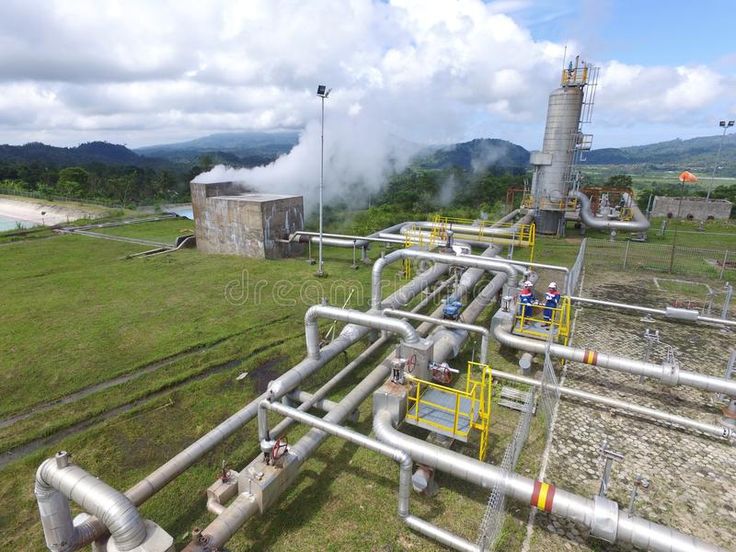
When most people hear “geothermal energy,” they picture power plants and turbines — and for good reason, given how much attention electricity generation receives in geothermal development discussions. But electricity is only one way to use heat pulled from the Earth, and in many ways, it’s the most demanding one, requiring high-temperature resources and significant capital investment. Direct use applications — using geothermal heat itself, without converting it to electricity first — often require lower temperatures, less infrastructure, and can unlock value from geothermal resources that aren’t hot enough to justify a conventional power plant.
Why Direct Use Deserves More Attention
Electricity generation typically requires resource temperatures above roughly 150°C to be economically viable with conventional flash or dry steam technology, though binary cycle plants have pushed that threshold down to around 100°C in some cases. Direct use applications, by contrast, can extract practical value from resources as cool as 20–30°C for some applications, dramatically expanding the range of geothermal resources worth developing. This matters enormously for regions with abundant low-to-moderate temperature geothermal resources that fall short of power generation thresholds but are still valuable heat sources sitting largely untapped.
Core Direct Use Applications
District and Space Heating
Geothermal fluid, circulated directly or through heat exchangers, can heat buildings and entire district heating networks far more efficiently than combustion-based systems. Countries like Iceland derive the overwhelming majority of their space heating from geothermal district systems, demonstrating the technology’s maturity and reliability at scale. For colder climates with access to moderate-temperature resources, geothermal district heating can meaningfully reduce both energy costs and reliance on imported fuel.
Greenhouse and Agricultural Heating
Geothermal heat is widely used to warm greenhouses, extending growing seasons and enabling crop production in climates or seasons that would otherwise be unsuitable. This application has proven particularly valuable in regions seeking to boost horticultural output without the ongoing fuel costs associated with conventional greenhouse heating, and it typically requires only modest resource temperatures, making it accessible to a broad range of geothermal settings.
Aquaculture
Warm geothermal water supports fish farming operations — particularly for species like tilapia and certain warm-water fish that thrive in consistently warm conditions — by maintaining optimal water temperatures year-round without the energy costs of conventional water heating systems.
Industrial Process Heat
Various industrial processes — food drying and dehydration, timber drying, textile processing, and certain chemical processes — require consistent heat at low-to-moderate temperatures, a need geothermal resources can meet directly, often at a lower and more stable operating cost than fossil-fuel-based alternatives.
Balneology and Tourism
Geothermal spas and hot springs represent one of the oldest and most direct human uses of geothermal energy, and continue to support significant tourism revenue in geothermally active regions worldwide, alongside more strictly defined therapeutic and wellness applications.
Geothermal Heat Pumps
Distinct from traditional direct use, ground-source heat pumps take advantage of the relatively stable shallow ground temperature (typically matching the local average annual air temperature) to provide efficient heating and cooling for individual buildings, essentially anywhere on Earth — this application doesn’t require an anomalously hot geothermal resource at all, just stable shallow ground temperature, making it geographically far more widely applicable than any other geothermal use.
Cascaded Use: Getting More Value From One Resource
One of the most efficient design principles in direct-use geothermal development is cascading — using the same geothermal fluid sequentially across multiple applications as it cools, rather than discarding it after a single use. Fluid might first pass through an industrial process requiring higher temperatures, then feed a district heating loop as it cools further, then finally supply a greenhouse or aquaculture operation before reinjection. This sequential design significantly increases the total useful energy extracted from a given resource without requiring additional wells, improving the overall economics of a direct use project.
Direct Use Potential in East Africa
East Africa’s position along the geothermally active Rift Valley provides substantial direct use potential beyond the region’s well-known electricity generation projects. Numerous low-to-moderate temperature geothermal manifestations exist across the rift system that may not justify power plant development on their own but could support district heating in nearby communities, greenhouse operations extending agricultural productivity, aquaculture ventures, or industrial drying applications for the region’s agricultural export sector — crops like tea, coffee, and various horticultural products all require drying or processing heat that geothermal resources could supply more cheaply and sustainably than conventional fuel sources.
Developing this potential requires a different assessment approach than power generation projects: rather than focusing narrowly on maximizing resource temperature, direct use feasibility studies need to evaluate proximity to potential heat users, alongside resource temperature and flow characteristics, since transporting heat any significant distance introduces both cost and thermal loss that can undermine a project’s economics.
The Bottom Line
Direct use geothermal applications remain significantly underdeveloped relative to their potential, particularly in regions with abundant moderate-temperature resources that don’t meet conventional power generation thresholds. For geoconsultants and resource planners, broadening the assessment lens beyond “is this hot enough for a power plant” to include the full range of direct use applications can unlock genuine economic value from geothermal resources that might otherwise be considered marginal or not worth developing at all.