Skip to content


Kenya has already shown that geothermal energy can anchor a national power system. Steam from the East African Rift runs turbines day and night, regardless of rainfall, and it has made Kenya the leading geothermal producer in Africa. Yet the country has only tapped a fraction of its resource, and the pace of new development is set less by geology than by finance, risk, and policy design. If geothermal is to carry Kenya toward climate-resilient development, the incentives that surround it must be as carefully engineered as the wells themselves.
Where Kenya Stands Today
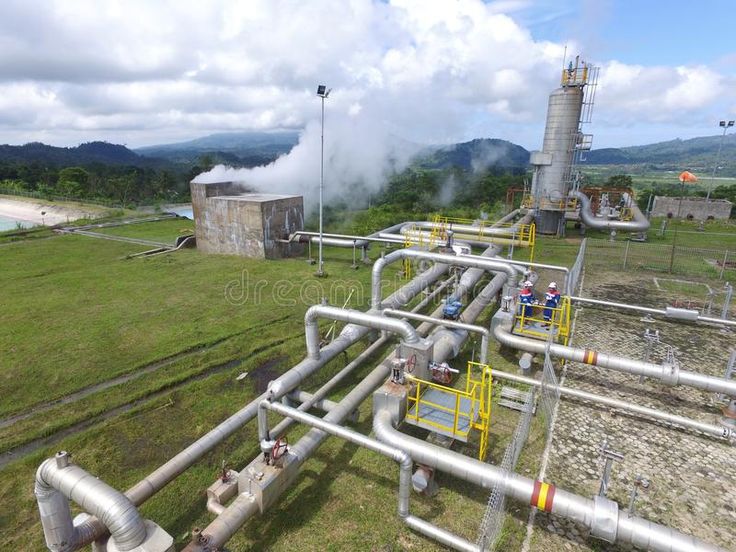
Kenya’s installed geothermal capacity is now close to 940 megawatts, spread mainly across the Olkaria field near Naivasha, with newer capacity coming from Menengai in Nakuru County and smaller fields such as Eburru. In recent years geothermal has supplied roughly 40 to 45 percent of the electricity fed into the national grid, and in some years nearly half, which is far above its share of installed capacity. The state-owned Kenya Electricity Generating Company (KenGen) holds most of the installed capacity, and independent producers such as OrPower 4 and Sosian Energy make up the rest.
The resource base is much larger than what has been developed. Kenya’s geothermal potential is commonly estimated at about 10,000 megawatts, with the Menengai field assessed at around 1,600 megawatts and the Baringo-Silali block at up to 3,000 megawatts. The Geothermal Development Company (GDC), a state developer, has set a target of reaching 1,065 megawatts of steam by 2030. Closing the distance between potential and production is the central policy question of this Congress.
Why Geothermal Is a Climate-Resilience Asset
Climate resilience means keeping economies and communities functioning under shocks such as drought, floods, and price volatility. Geothermal contributes in at least four ways.
First, it is firm and weather-independent. Hydropower, which has long been a pillar of Kenya’s supply, falls when rainfall fails. Geothermal plants run at high capacity factors regardless of season, which is why geothermal has repeatedly covered shortfalls when dams ran low.
Second, it reduces exposure to imported fuel and thermal power. Every megawatt of domestic steam displaces diesel and heavy-fuel generation whose costs swing with global oil prices and exchange rates.
Third, its emissions are low. Geothermal plants release some gases, mainly carbon dioxide and hydrogen sulphide, but at far lower levels per unit of electricity than fossil-fuel plants. This helps Kenya meet its climate commitments while supporting a growing economy.
Fourth, geothermal energy is not only about electricity. The same heat can dry crops, chill produce, heat greenhouses, and support industry, which strengthens livelihoods that are themselves vulnerable to climate stress.
The Central Barrier: Front-Loaded Risk
Geothermal development is unusual among power technologies because the greatest uncertainty comes first. Before a single megawatt can be sold, a developer must explore, drill expensive deep wells, and discover whether a hot, permeable, fluid-rich reservoir exists. Surface studies narrow the odds, but only drilling confirms the resource. A single deep well can cost millions of dollars, and some wells prove marginal or unproductive.
Private investors typically find this risk profile hard to bear alone, especially when capital must be committed years before revenue begins. As a result, geothermal projects often stall at the exploration stage, not for lack of heat but for lack of risk-tolerant capital. Incentives are therefore most powerful when they target this early phase.
Incentives That Have Worked in Kenya
Kenya’s experience offers real lessons.
Public resource development. GDC was created to absorb exploration and drilling risk. By confirming steam and then offering it to private power producers, the state lowers the barrier for independent plants. At Menengai, this steam-sale model has attracted independent power producers, who build and operate the power plants while GDC supplies the steam. New plants from this model have been reported to deliver power at competitive tariffs of roughly seven US cents per kilowatt-hour.
Grant-based risk mitigation. The Geothermal Risk Mitigation Facility, set up through the African Union Commission with international partners, has supported Kenyan projects such as Baringo-Silali. Its grants have typically covered around 40 percent of the cost of drilling and testing for two wells, plus about 20 percent of the related infrastructure cost, and have been paid out on certified results. This kind of output-based support rewards delivery while sharing the early risk.
Long-term power purchase agreements. Contracts with the national utility give developers a predictable revenue stream, which lenders require. They are the foundation on which independent geothermal capital has been raised.
Institutional experience. Decades of operation at Olkaria have built a skilled workforce, local drilling capacity, and a reservoir knowledge base that lowers costs for every new project.
Incentives Still Needed
The next phase of growth will require a broader and more deliberate toolkit.
Exploration risk insurance and contingent finance. Mechanisms that compensate a developer, wholly or partly, if exploration wells fail would make private capital far more willing to enter new prospects. Blended finance, combining concessional funds with commercial lending, can reduce the cost of capital for an entire project.
Payment security and tariff certainty. Independent producers have reported delays in payment for electricity delivered. Reliable payment, supported by guarantees or escrow arrangements, is among the most valuable incentives, because it directly lowers the risk premium lenders attach to Kenyan projects.
Fiscal and regulatory clarity. Stable tax treatment for drilling equipment, clear licensing timelines, and predictable rules for land, water, and environmental approvals reduce delays that quietly raise costs.
Shared infrastructure and data. Public investment in access roads, transmission lines, water supply, and open geoscientific data lowers the cost of entry for every developer in a field. Good data in particular reduces exploration uncertainty for all.
Drilling capacity. Rig availability and cost are major determinants of project economics. Incentives that support national drilling capacity, maintenance, and skilled crews help keep wells affordable.
Incentives for direct use. Support for businesses that use geothermal heat, such as horticulture, aquaculture, cold storage, and agro-processing, would extend the benefits beyond the grid.
From Power Plants to Industrial Development
Geothermal can anchor industrial growth if energy-intensive activities are located near steam. Industrial parks and processing facilities adjacent to geothermal fields can use reliable, competitively priced electricity and direct heat. Examples already exist in the Naivasha area, where flower farms use geothermal heat and power. Building on this model through green industrial zones, targeted tariffs for large industrial users, and incentives for value addition would turn geothermal from a supply of kilowatt-hours into a platform for jobs and exports. Such an approach also serves resilience, since diversified local industry is less exposed to shocks.
Aligning Geothermal with Climate Finance
Climate finance is an underused incentive for geothermal development. Because geothermal displaces fossil generation and strengthens energy security, projects can qualify for concessional loans, green bonds, and carbon market revenues when their emissions benefits are measured and verified. Kenya can improve access to these sources by standardising how emissions reductions are calculated, packaging projects in bankable portfolios rather than one at a time, and using public funds to absorb the earliest and most uncertain costs so that commercial lenders can follow. Linking geothermal investment explicitly to national climate plans also helps development partners justify support.
A Just Transition Must Include Communities
Geothermal fields lie in some of Kenya’s most culturally and ecologically sensitive landscapes, including pastoral areas and the shores of Rift lakes. A transition that is climate-resilient must also be fair. Incentive design should therefore reach beyond investors to the people who live with the projects.
Practical measures include transparent benefit-sharing arrangements, local employment and procurement targets, early and continuing consultation, fair handling of land and resettlement, and protection of water sources and grazing routes. Environmental safeguards, such as reinjection of spent fluids, monitoring of gas emissions and seismicity, and protection of biodiversity, should be treated as part of the incentive framework, because they preserve the social licence that long-term projects depend upon. When communities see tangible benefits such as electricity access, clean water, schools, and clinics, projects proceed with fewer disputes and greater stability.
Building Skills and Local Value Chains
Technical talent is a quiet determinant of cost. Geologists, geophysicists, geochemists, reservoir engineers, drilling engineers, and environmental specialists are all needed in greater numbers as capacity expands. Incentives for training, university-industry partnerships, and regional centres of excellence can keep expertise in the country and make Kenya a supplier of geothermal services to the wider continent. Local manufacturing and service industries, from well-head equipment fabrication to environmental monitoring and geoscience consultancy, can capture more of the project spending within the economy.
Measuring Whether Incentives Work
Incentives should be judged by outcomes rather than intentions. Useful indicators include megawatts of new steam confirmed and brought online, the success rate of exploration wells, the cost per installed kilowatt, tariffs achieved, private capital mobilised for each public dollar spent, the number of direct-use enterprises established, local jobs created, and the reliability of the national grid during drought years. Regular review against these measures allows policymakers to refine support, retire measures that no longer add value, and concentrate resources where they unlock the most investment.
Conclusion
Kenya’s geothermal story is one of foresight rewarded. Early public investment, international risk-sharing, and private participation have produced a power source that steadies the grid and cuts emissions. The next chapter depends on incentives that tackle exploration risk, secure payments, widen the use of geothermal heat, and share benefits fairly with host communities. If these elements are put in place together, geothermal energy can do more than generate electricity: it can underpin an economy that is cleaner, more resilient to climate shocks, and more inclusive. The heat is already beneath the Rift. The task before this Congress is to design the incentives that bring it to the surface responsibly and for the benefit of all.