Skip to content
Who is a Geologist?
A geologist is a scientist who studies the Earth—its materials, structure, processes, and history. Geologists seek to understand how the planet was formed, how it changes over time, and how natural resources can be discovered and managed responsibly.
At the core of geology is the study of rocks, minerals, and soils. By analyzing these materials, geologists can interpret past environments, identify geological hazards, and locate valuable resources such as groundwater, oil, gas, and minerals. Their work often involves field investigations, laboratory analysis, and the use of advanced technologies like remote sensing and geographic information systems (GIS).
Geologists also play a crucial role in understanding natural processes such as earthquakes, volcanic activity, erosion, and plate tectonics. These processes are explained through key principles like the Theory of Plate Tectonics, which describes how the Earth’s outer shell is divided into moving plates.
In practical terms, geologists work in a wide range of sectors, including mining, construction, environmental management, water resource development, and energy exploration. For example, in countries like Kenya, geologists are essential in borehole siting, mineral exploration, and geotechnical investigations for infrastructure projects.
Overall, a geologist helps bridge the gap between Earth science and real-world applications, contributing to sustainable development, environmental protection, and the safe use of natural resources.
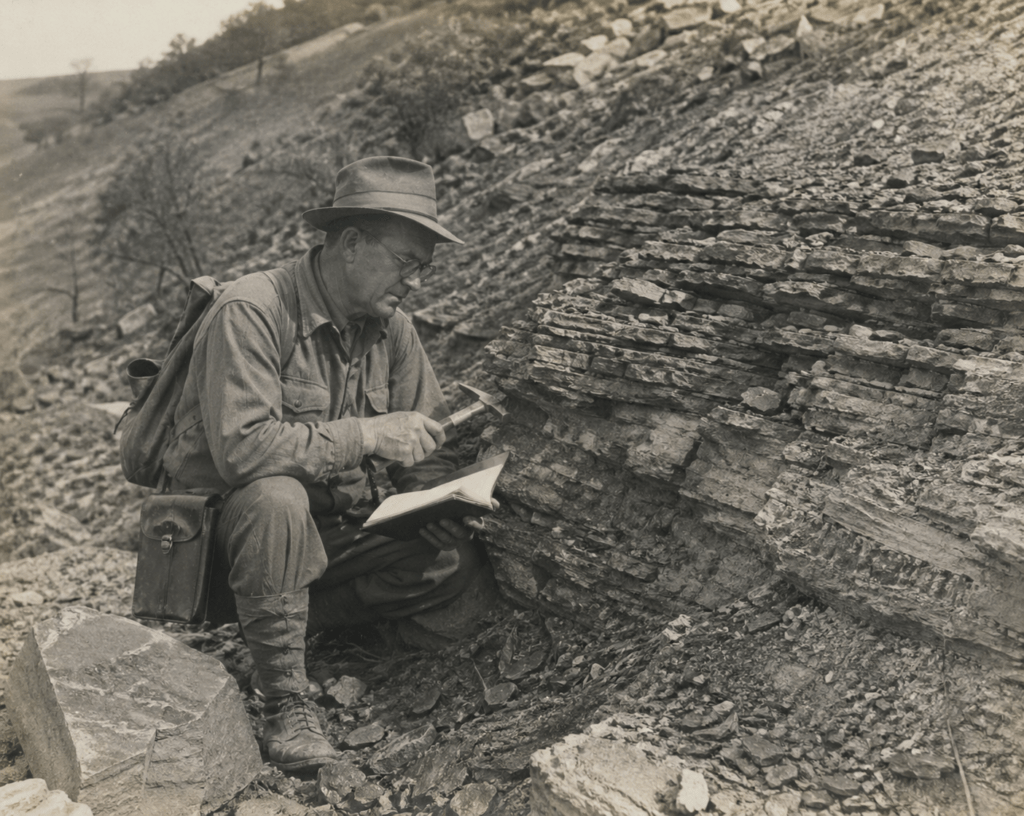
Geologist
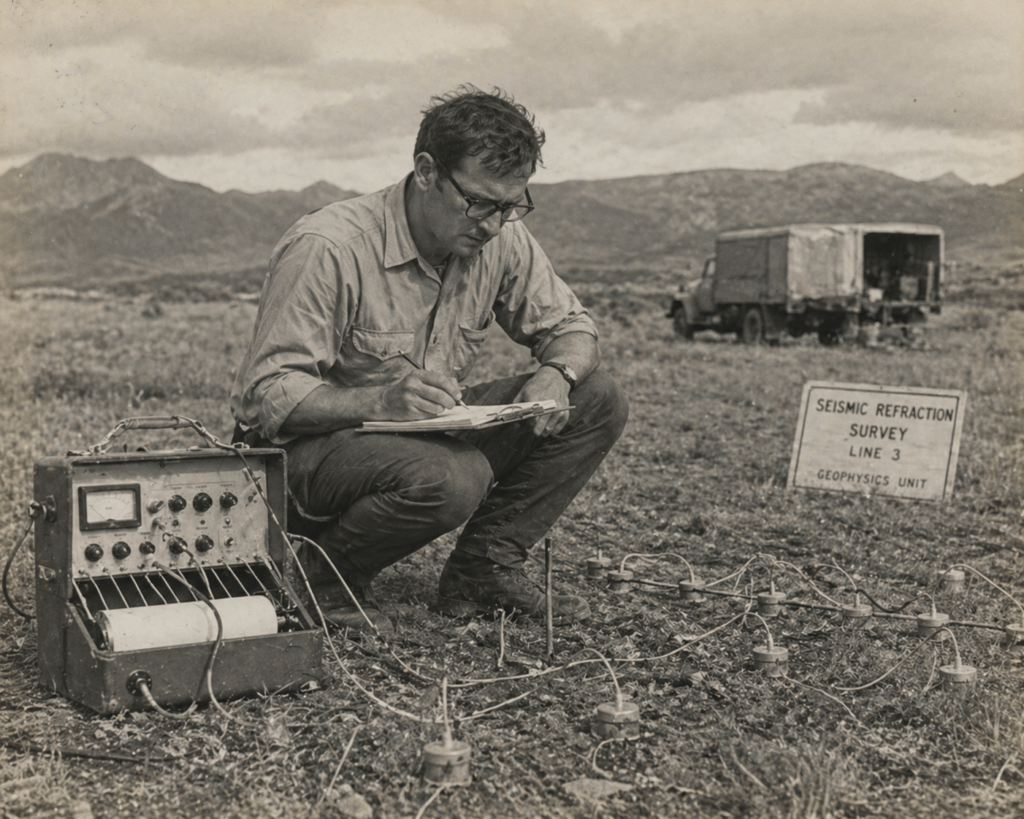
Geophysicist
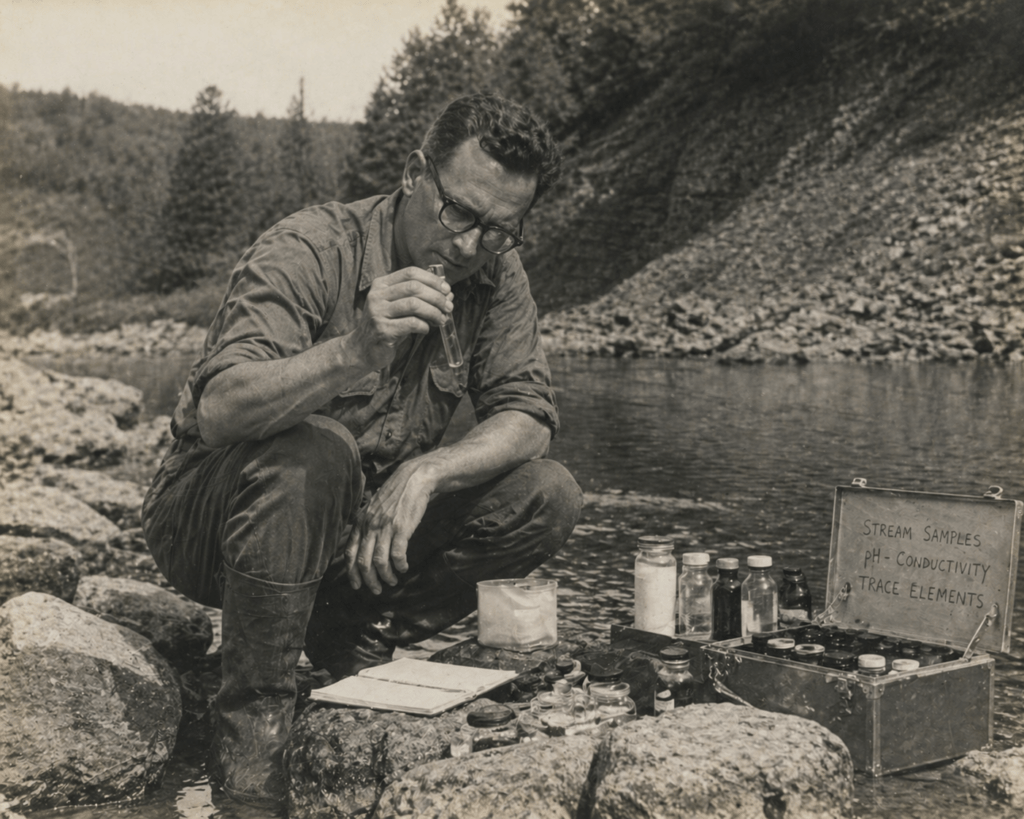
Geochemist
Need Help?
Book a Consultation
Branches of Geology.
Physical Geology
This branch deals with the study of Earth materials such as rocks and minerals, and the processes that shape the Earth’s surface. It includes phenomena like weathering, erosion, volcanoes, and earthquakes. Physical geology helps explain how the Earth is constantly changing through natural processes.
Economic Geology
This branch focuses on the exploration and extraction of Earth’s natural resources, such as minerals, oil, gas, and groundwater. Economic geologists play a key role in mining, energy production, and sustainable resource management.
Structural Geology
Structural geology studies the deformation of Earth’s crust, including folds, faults, and fractures. It is closely related to the Plate Tectonics, as it explains how tectonic forces shape the structure of the Earth’s surface.
Historical Geology
Historical geology focuses on the origin and evolution of the Earth over time. It examines rock layers, fossils, and geological events to reconstruct Earth’s history. Concepts like the Geologic Time Scale are central to understanding how life and environments have changed over billions of years.
Petrology
Petrology is concerned with the study of rocks, including their origin, composition, and classification. It is divided into three main types: igneous, sedimentary, and metamorphic petrology. This branch helps geologists understand rock formation processes and the Earth’s internal conditions.
Mineralogy
Mineralogy is the study of minerals—their composition, structure, properties, and formation. Geologists use this knowledge to identify minerals and understand the conditions under which they formed, which is essential in resource exploration and industrial applications.
What is Geology?
Geology is the scientific study of the Earth—its origin, structure, materials, processes, and the history of life recorded in rocks.
It focuses on understanding what the Earth is made of (such as rocks, minerals, and soils), how these materials form and change, and the forces that shape the planet over time. Geology explains natural phenomena like earthquakes, volcanoes, mountain building, and erosion through key ideas such as the Theory of Plate Tectonics.
Geologists also study the Earth’s past using fossils and rock layers, guided by frameworks like the Geologic Time Scale, which divides Earth’s history into different periods spanning billions of years.
Beyond theory, geology has many practical applications. It is essential in:
- Mineral and oil exploration
- Groundwater and borehole development
- Construction and geotechnical engineering
- Environmental protection and land-use planning
In simple terms, geology helps us understand how the Earth works, where resources are found, and how to use them responsibly while minimizing risks from natural hazards.