

Internet of Things (IoT) Solutions for Geoscience and Environmental Monitoring.
The Internet of Things (IoT) is transforming the geoscience industry by enabling real-time monitoring, automated data collection, and intelligent decision-making across various environmental and geological systems. For geoconsultancy companies, IoT technologies provide powerful tools for monitoring groundwater resources, environmental conditions, mining operations, geotechnical stability, and infrastructure safety.
By integrating advanced sensors, communication networks, cloud computing, and geospatial analytics, IoT solutions allow geoscientists to collect high-quality data from remote locations and analyze it instantly. This capability reduces operational costs, improves accuracy, and enhances the management of natural resources and infrastructure.
Our IoT solutions combine smart sensors, remote monitoring systems, data analytics, and GIS integration to provide reliable and scalable monitoring systems for clients in sectors such as water resources, mining, environmental management, construction, and renewable energy.
1. Water and Hydrogeology Monitoring
Water resource management is one of the most critical applications of IoT in geoscience. Our smart monitoring systems enable continuous observation of groundwater and surface water systems.
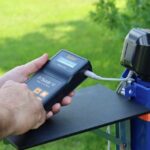
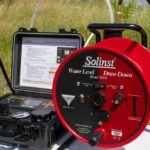
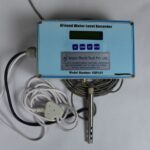
Groundwater Level Monitoring: IoT-enabled pressure sensors and data loggers are installed in boreholes and wells to monitor groundwater levels continuously. These systems help detect seasonal variations, aquifer depletion, and recharge patterns.
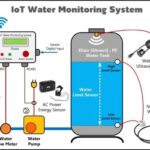
Borehole Pump Monitoring: Remote pump monitoring systems track pump operation, water abstraction rates, and energy consumption.
Water Quality Monitoring: Advanced water quality sensors measure parameters such as pH, turbidity, electrical conductivity, dissolved oxygen, and temperature.
Aquifer Recharge Monitoring: IoT sensors help monitor recharge zones and infiltration processes, providing valuable data for sustainable groundwater management.
Smart Irrigation Monitoring: Soil moisture sensors integrated with IoT platforms support efficient irrigation systems by optimizing water usage in agricultural landscapes.
2. Environmental Monitoring Systems
Environmental monitoring is essential for sustainable development and regulatory compliance. IoT technologies enable real-time observation of environmental conditions across large geographic areas.
Air Quality Monitoring: IoT sensors measure particulate matter, carbon monoxide, nitrogen oxides, and other atmospheric pollutants. These systems are useful in urban areas, mining regions, and industrial zones.
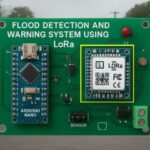
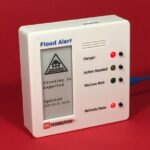
Flood Monitoring and Early Warning Systems: Water level sensors placed in rivers and drainage systems provide real-time data that can trigger automated flood alerts, helping communities prepare for flood events.
Landslide Monitoring: Slope monitoring sensors detect small ground movements that may indicate potential landslides. These systems are essential in mountainous and unstable terrains.
Soil Health Monitoring: Sensors measuring soil moisture, temperature, and nutrient levels provide important data for environmental assessments and land management.
River Flow Monitoring: IoT-based hydrological monitoring stations measure river discharge, flow velocity, and water levels for flood risk management and water resource planning.
3. Mining and Mineral Exploration IoT Solutions
The mining sector increasingly relies on IoT technologies to improve safety, operational efficiency, and environmental management.
Mine Safety Monitoring: IoT sensors detect hazardous gases, vibrations, and temperature changes in underground mines. These systems provide early warnings that help prevent accidents.
Equipment and Fleet Tracking: GPS-enabled IoT devices allow mining companies to track heavy machinery and vehicles, improving operational efficiency and reducing losses.
Slope Stability Monitoring: Open-pit mines require continuous monitoring of slope stability. IoT sensors such as tiltmeters and ground deformation sensors detect movement in mine walls and slopes.
Tailings Dam Monitoring: Tailings dams require careful monitoring to prevent catastrophic failures. IoT sensors monitor pressure, seepage, and structural stability.
Blasting and Vibration Monitoring: Sensors measure ground vibrations during blasting operations to ensure compliance with safety regulations and minimize environmental impact.
4. Geotechnical and Infrastructure Monitoring
Infrastructure development requires careful monitoring of ground stability and structural integrity. IoT technologies provide continuous monitoring of these systems.
Ground Settlement Monitoring: Sensors detect land subsidence and ground settlement caused by groundwater extraction, construction activities, or natural geological processes.
Structural Health Monitoring: IoT devices monitor the stability of structures such as bridges, dams, tunnels, and buildings by measuring stress, vibration, and displacement.
Crack Monitoring Systems: Sensors installed on infrastructure detect crack formation and expansion in buildings, roads, and retaining walls.
Tilt Monitoring: Tiltmeters measure the inclination of structures and slopes, helping engineers identify potential failures.
Construction Site Environmental Monitoring: IoT sensors measure noise levels, dust emissions, and vibration during construction projects to ensure environmental compliance.
5. GIS and Data Integration Platforms
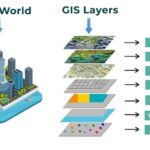
One of the most powerful aspects of IoT is the ability to integrate sensor data into geospatial systems for analysis and visualization.
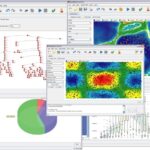
Real-Time GIS Dashboards: Our IoT platforms integrate with GIS systems to display sensor data on interactive maps, allowing users to visualize environmental and geological changes in real time.
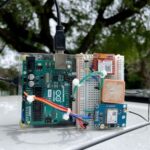
Remote Data Telemetry: Wireless communication technologies such as LoRaWAN, NB-IoT, and cellular networks enable remote data transmission from sensors to cloud platforms.
Drone and IoT Integration: Drone surveys combined with IoT sensor networks provide detailed spatial data for environmental monitoring and geological mapping.
Cloud-Based Monitoring Platforms: Data collected from field sensors is stored and processed on secure cloud platforms, enabling clients to access real-time information from anywhere.
Predictive Data Analytics: Advanced analytics and machine learning algorithms analyze sensor data to predict environmental trends, infrastructure risks, and resource availability.

Applications Across Industries
Our IoT solutions support a wide range of industries, including:
Water resource management
Mining and mineral exploration
Environmental monitoring
Renewable energy projects
Disaster risk management
Benefits of IoT for Geoconsultancy
Real-time data collection from remote locations
Improved accuracy compared to manual measurements
Reduced field operational costs
Early warning systems for natural hazards
Improved environmental compliance
Enhanced decision-making through data analytics
Our Technology Approach
Smart sensors and environmental monitoring devices
Wireless communication networks
Cloud-based data platforms
Geographic Information Systems (GIS)
Data analytics and machine learning tools
Remote monitoring dashboards and mobile applications
Get Started with IoT Monitoring
By leveraging IoT technology, organizations can improve operational efficiency while promoting sustainable resource management.
IoT technology is transforming the way geoscience data is collected and analyzed. Whether monitoring groundwater resources, assessing environmental conditions, or ensuring infrastructure safety, our IoT solutions provide reliable and innovative tools for modern geoconsultancy services.
Contact us today to learn how our IoT monitoring systems can support your next project.
Need Help?