Skip to content


What is GREEN ENERGY?
Green energy refers to energy that is produced from natural, renewable sources that have little to no negative impact on the environment. It is a subset of renewable energy, specifically focused on sources that generate power without polluting air, water, or land and with minimal greenhouse gas emissions.
Green energy is energy derived from naturally replenishing resources such as sunlight, wind, water, and heat from the Earth, which are environmentally friendly and sustainable over the long term.
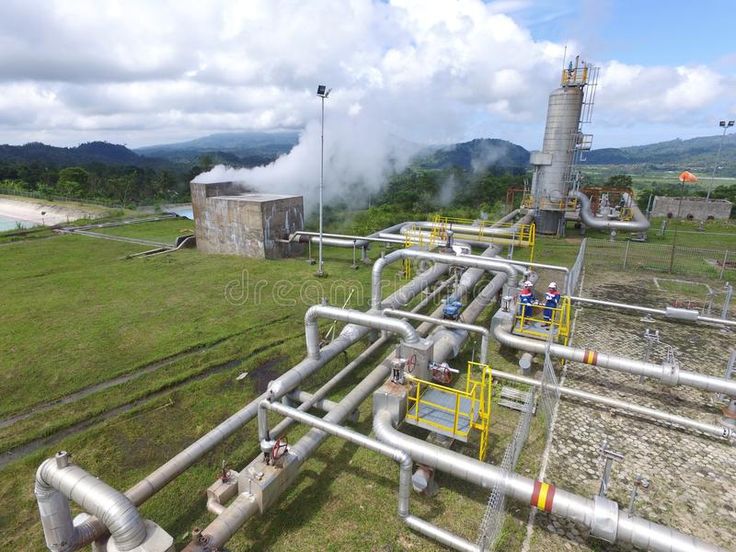
Geothermal energy.
Geothermal energy is a form of renewable energy derived from the natural heat stored beneath the Earth’s surface. This heat originates from the planet’s core and from the radioactive decay of minerals, creating vast underground reservoirs of hot water and steam. By tapping into these resources through drilled wells, geothermal energy can be used to generate electricity, heat buildings, and support various industrial processes. Unlike many other energy sources, it provides a reliable and continuous supply of power with minimal environmental impact. As countries seek sustainable alternatives to fossil fuels, geothermal energy is increasingly recognized as a clean, efficient, and long-term solution for meeting global energy demands.
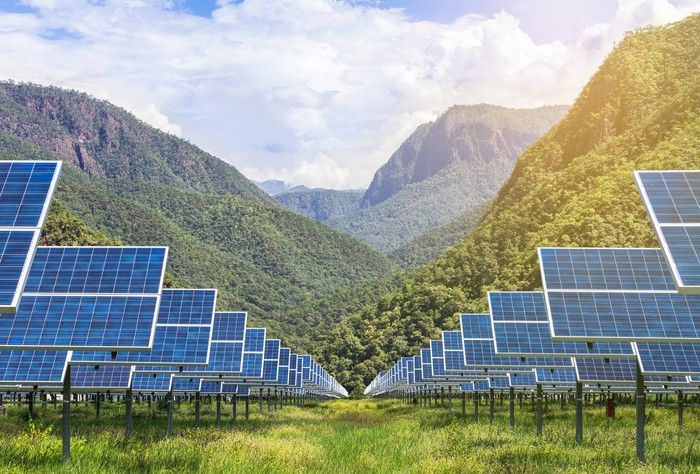
Solar Energy
Solar energy is a form of renewable energy that is obtained from the sun’s radiation. It is one of the most abundant and sustainable energy sources available on Earth. By using technologies such as solar panels (photovoltaic cells) and solar thermal systems, sunlight can be converted into electricity or heat for various applications, including powering homes, businesses, and industries.
Overall, solar energy is a clean, reliable, and increasingly affordable energy source that plays a crucial role in the transition to sustainable energy systems worldwide.
Key Characteristics of Green Energy
- Environmentally friendly: Produces little or no pollution
- Renewable: Naturally replenished and not depleted
- Sustainable: Can be used long-term without harming ecosystems
- Low carbon footprint: Helps reduce climate change
Green Energy vs Renewable Energy
Although often used interchangeably, they are slightly different:
- Renewable energy includes all energy sources that are naturally replenished
- Green energy is a subset of renewable energy that has minimal environmental impact
Benefits of Green Energy
- Reduces greenhouse gas emissions
- Improves air and water quality
- Decreases dependence on fossil fuels
- Creates jobs in sustainable industries
- Enhances energy security
Challenges of Green Energy
- High initial installation costs
- Weather dependency (for solar and wind)
- Infrastructure and storage limitations
- Geographic constraints for some sources

Hydropower Energy
Hydropower energy is a renewable energy source that generates electricity by harnessing the power of moving water, such as rivers, dams, and waterfalls. It works by converting the kinetic energy of flowing or falling water into mechanical energy, which then drives turbines connected to generators to produce electricity. As one of the oldest and most widely used forms of renewable energy, hydropower is known for its reliability, efficiency, and ability to produce large amounts of power with low greenhouse gas emissions. It also plays a key role in supporting energy security and sustainable development, especially in regions with abundant water resources.

Tidal / Wave Energy
Tidal and wave energy are forms of renewable energy that harness the natural movement of the ocean to generate electricity. Tidal energy is produced from the predictable rise and fall of sea levels caused by the gravitational pull of the moon and the sun, while wave energy captures the power of surface waves created by wind blowing across the ocean. Using specialized technologies such as underwater turbines and floating devices, this energy can be converted into electricity. As clean and sustainable energy sources, tidal and wave energy offer great potential for reducing dependence on fossil fuels, especially in coastal regions, although they are still developing technologies with challenges related to cost, infrastructure, and environmental impact.
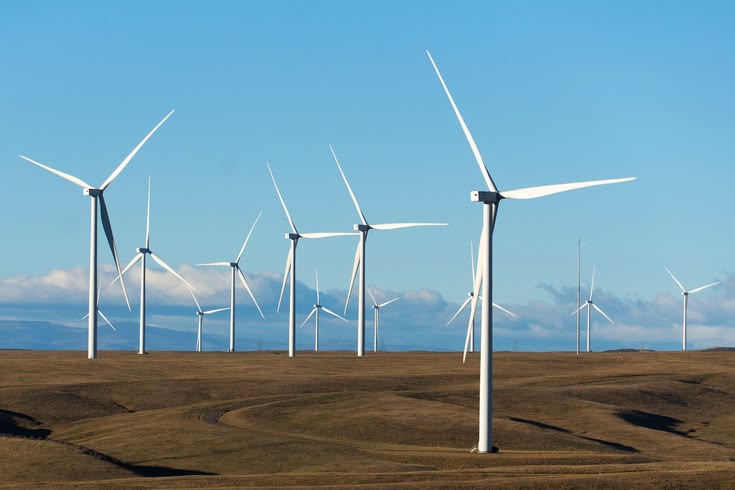
Wind Energy
Wind energy is a renewable source of power that harnesses the natural movement of air to generate electricity. It is produced using wind turbines, which convert the kinetic energy of moving wind into mechanical energy, and then into electrical energy through a generator. Wind energy is widely used across the world due to its abundance, sustainability, and low environmental impact. It produces no greenhouse gas emissions during operation and requires no fuel, making it a clean alternative to fossil fuels. As technology continues to advance, wind energy is becoming more efficient and cost-effective, playing a key role in the global transition to sustainable energy systems.
Green energy is essential for a cleaner and more sustainable future. As technology improves and costs decrease, it is becoming a key solution to global energy challenges and climate change.
Green Hydrogen Energy
Green hydrogen energy is a clean and sustainable form of energy produced by using renewable electricity to split water into hydrogen and oxygen through a process called electrolysis. The hydrogen generated can then be stored and used as a fuel for electricity generation, transportation, and industrial processes. Unlike conventional hydrogen production methods that rely on fossil fuels, green hydrogen produces no carbon emissions, making it a key solution in reducing greenhouse gases and combating climate change. As countries transition toward low-carbon energy systems, green hydrogen is gaining attention for its potential to store renewable energy, power heavy industries, and support sectors that are difficult to electrify, positioning it as an important component of the future global energy mix.
Biofuel Energy
Biofuel energy is a renewable form of energy derived from organic materials such as plants, agricultural residues, and animal waste. These materials, collectively known as biomass, are converted into fuels like bioethanol, biodiesel, and biogas through biological and chemical processes. Biofuels can be used as alternatives to conventional fossil fuels in transportation, electricity generation, and heating. Because they are produced from recently living organisms, biofuels are considered more environmentally friendly, as they can reduce greenhouse gas emissions when managed sustainably. As the demand for cleaner energy grows, biofuel energy plays an important role in promoting energy security, supporting rural economies, and advancing the transition toward a more sustainable and low-carbon future.