Skip to content


Beneath the volcanoes, rift valleys, and fault systems of Africa lies a continuous supply of heat that no drought can dry up and no fuel shortage can interrupt. Geothermal energy has been producing electricity in Kenya for more than four decades, yet across most of the continent it remains largely untapped. The 11th African Rift Geothermal Conference, hosted in Moroni by the Government of the Union of the Comoros together with the African Geothermal Association, the African Union Commission, the United Nations Environment Programme, and the Global Geothermal Alliance, takes place under a clear theme: unlocking Africa’s geothermal resource potential as a pathway to sustainable development. This article considers what unlocking that potential truly requires.
An Endowment Built by the Rift
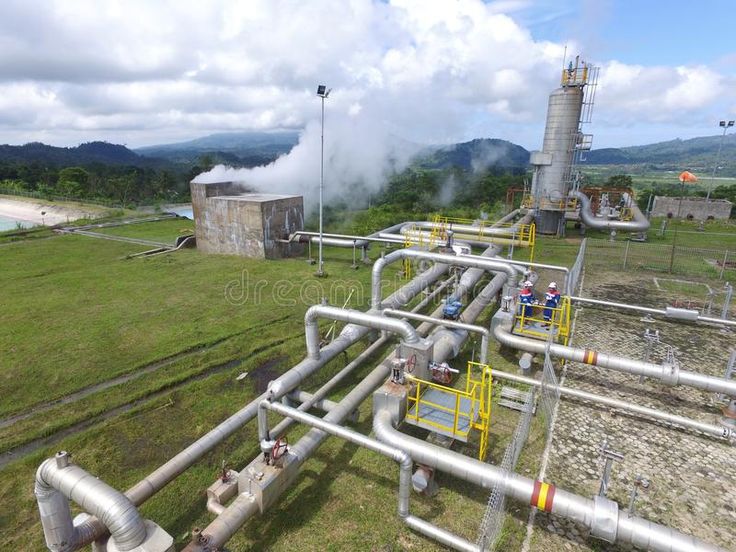
The East African Rift System is the continent’s geothermal engine. As the African plate slowly splits, magma rises close to the surface, heating groundwater and creating hydrothermal systems along a chain of countries that includes Eritrea, Djibouti, Ethiopia, Kenya, Uganda, Rwanda, Tanzania, Malawi, and Zambia. Kenya has proven the concept at scale, with installed geothermal capacity approaching one gigawatt that supplies a large part of its national electricity. Ethiopia has an operating pilot plant, and several other countries have completed surface studies or begun exploratory drilling.
The potential is large, but it is unevenly developed. Many Rift countries hold resources that could supply a substantial share of national demand, yet most have no operating geothermal plant. The gap between resource and reality is therefore less a matter of geology than of data, finance, institutions, and skills.
Why Comoros Is a Fitting Host
The choice of Moroni as host is symbolic as well as practical. Comoros is a small island state in the Indian Ocean whose electricity supply depends heavily on imported diesel. On Grande Comore, the largest island, installed generation capacity has been sufficient on paper, but high fuel costs and the weak finances of the power sector have made it hard to buy enough fuel to keep the lights on reliably. For a country in this position, a domestic baseload source of electricity offers both climate and economic benefits.
The Karthala volcano, which dominates Grande Comore, is the focus of the national geothermal programme. The Karthala geothermal project has been in development since 2018, and the African Development Bank has planned a grant of about 26.6 million US dollars for its first phase. That phase would drill and test three exploration wells to depths of roughly 2,500 to 2,900 metres, to confirm a resource estimated at around 45 megawatts. If successful, Karthala could become the first geothermal power plant in Comoros and potentially make it the third African country with an operating geothermal plant. The conference’s post-event field trip to Mount Karthala gives delegates the chance to see this frontier first-hand.
The Science of Reducing Uncertainty
Unlocking a geothermal resource begins with reducing geological uncertainty in a disciplined sequence. Regional geology and volcanic history identify promising areas. Geochemical sampling of springs, fumaroles, and soil gas estimates reservoir temperature and fluid origin. Geophysical methods, particularly magnetotellurics, gravity, and magnetics, image the electrical resistivity and structure of the subsurface, including the clay cap that often seals a hot reservoir. These studies are combined into a conceptual model, which is then tested by exploration drilling.
Volcanic islands add their own complications. Steep terrain makes access and drilling logistics demanding. Seawater intrusion can affect shallow groundwater and complicate interpretation of geophysical data. Active volcanoes pose hazards that must be assessed, and fluids may be acidic or corrosive. Careful scientific work, with experienced interpretation and good monitoring, is the best way to manage these challenges. Resources on islands and in other volcanic settings can also be compact, which makes accurate targeting of drilling even more important.
The Risk and Financing Challenge
Geothermal projects are capital intensive and front-loaded. Exploration wells cost millions of dollars each, and a developer cannot be sure of success until the first holes are drilled. This early-stage risk is the main reason private investment has been slow to enter new African prospects.
Public and concessional finance has therefore been decisive. Grant facilities such as the Geothermal Risk Mitigation Facility, which operates in East Africa under the African Union Commission, have supported exploration drilling by reimbursing part of the cost of verified wells. Multilateral development banks, including the African Development Bank, have provided grants and loans for surface studies and drilling. These instruments share the early risk and create the data that later attract commercial lenders.
Looking ahead, the toolkit should widen. Options include exploration risk insurance, blended finance that combines concessional and commercial capital, and regional drilling programmes that pool rigs and expertise across countries. Payment security is equally vital. Investors will commit to a project only if the utility that buys the electricity is creditworthy and tariffs are honoured. Strengthening the financial health of national power utilities is therefore part of geothermal strategy, not a separate issue.
Lessons from Kenya and Beyond
Kenya’s experience offers lessons that other countries can adapt. A dedicated public developer, the Geothermal Development Company, took on exploration and drilling risk and then supplied steam to power producers. A national utility built deep technical capacity at Olkaria over decades. Independent power producers added capacity under long-term contracts. Local drilling and services grew alongside.
These lessons should be applied thoughtfully rather than copied. A small island system such as Comoros has a different scale, market, and institutional structure from Kenya. Smaller projects may need modular development, with plants built in stages as demand and finance allow. Regional cooperation, including training, shared equipment, and peer review, allows smaller countries to benefit from the experience of larger ones.
Policy and Regulatory Foundations
Sound policy turns resources into projects. Clear geothermal legislation should define resource ownership, licensing procedures, tenure security, royalty and fiscal terms, and rules for access to land and water. Streamlined permitting reduces delays that raise costs. Transparent processes for awarding concessions attract credible developers and discourage speculation. Coordination between ministries for energy, environment, water, land, and finance prevents conflicting requirements. Where national frameworks are still maturing, regional harmonisation of standards and guidelines can accelerate progress.
Technology and Innovation
Geothermal technology is evolving. Improved drilling methods and better well design are reducing cost and risk. Binary-cycle power plants can generate electricity from lower-temperature fluids, widening the set of viable resources. Modular wellhead power units allow early generation while the full field is still being appraised. Enhanced geothermal systems, which aim to create or improve permeability in hot rock, may eventually extend geothermal beyond conventional hydrothermal sites, although their application in Africa is still at an early stage. Digital tools, including data analytics and machine learning, are improving how exploration data are interpreted. The practical priority is to match technology to local conditions and to build the skills to operate it.
Beyond Electricity: Direct and Productive Use
Geothermal heat has many applications besides power. It can dry crops, heat greenhouses, run cold storage, support aquaculture, and supply spas and tourism. Direct use is especially valuable in rural areas and in industries that need both energy and heat. For island economies, using geothermal heat to support fisheries, agriculture, and tourism can diversify livelihoods. Direct-use projects often need smaller investments and can deliver benefits sooner, which also helps build public support.
Environmental and Social Responsibility
Sustainable development requires that geothermal projects respect people and ecosystems. Good practice includes environmental and social impact assessment, reinjection of used fluids to sustain the reservoir and protect water, monitoring of gas emissions and induced seismicity, and careful siting to avoid sensitive habitats. On islands, protection of coastal waters, fisheries, and freshwater supplies deserves special attention. Communities should be consulted early and continuously, with fair arrangements for land, local employment, and shared benefits. Transparent communication builds the trust that long-term projects need.
Building Skills and Institutions
Every successful geothermal programme rests on trained people. Geologists, geochemists, geophysicists, drilling and reservoir engineers, environmental specialists, and project managers are all in short supply. Short courses held alongside the conference, university programmes, on-the-job training in operating fields, and exchange schemes between countries help to close this gap. Strong national geological surveys and open access to geoscientific data amplify the effect by lowering the entry barrier for every developer and researcher.
Priorities for the Road Ahead
Several priorities follow from the discussion above:
- Invest early in surface exploration and open data to reduce uncertainty.
- Expand risk-sharing finance for exploration drilling and develop contingent instruments.
- Strengthen utilities and contracts so that investors can rely on payment.
- Adopt clear and harmonised legal frameworks for licensing and resource management.
- Develop modular and direct-use projects that deliver early benefits.
- Embed environmental and social safeguards from the start.
- Train and retain African geothermal professionals, and deepen regional collaboration.
Conclusion
Africa does not lack heat. What it needs is the finance, institutions, skills, and policy certainty that turn heat into electricity, jobs, and industry. The gathering in Moroni brings together the people who can supply these ingredients: scientists, engineers, regulators, financiers, and communities. Comoros, with its ambition to replace imported diesel with the power of Karthala, shows what is at stake for countries that are small in size but large in potential. If the continent acts on the lessons of the past four decades and invests in the next generation of projects, geothermal energy can become a dependable foundation for sustainable development across the Rift and beyond.