As the world transitions toward cleaner and more sustainable energy sources, geothermal energy is gaining increasing attention. But what exactly is geothermal energy, and how does it work? This guide provides a comprehensive introduction to geothermal energy, making it easy for beginners to understand its principles, applications, and benefits.
What is Geothermal Energy?
Geothermal energy is heat derived from the Earth’s interior. The word “geothermal” comes from the Greek words geo (earth) and therme (heat). This heat originates from the Earth’s core, where temperatures can exceed 5,000°C, and it continuously flows outward toward the surface.
This natural heat can be harnessed for various uses, including electricity generation, heating, and industrial processes.
How Geothermal Energy Works
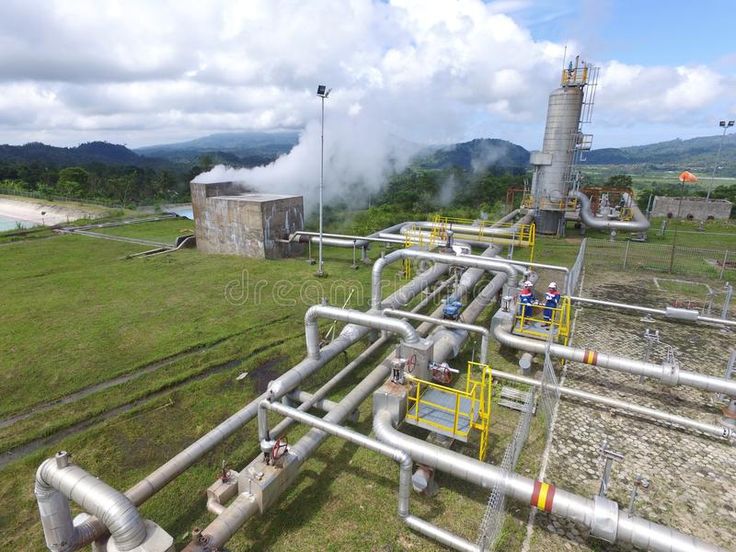
Geothermal energy works by tapping into underground reservoirs of hot water and steam. These reservoirs are typically found in regions with volcanic activity or tectonic plate boundaries.
Step-by-Step Process:
- Wells are drilled deep into the Earth to access geothermal reservoirs.
- Hot water or steam rises to the surface.
- The steam spins turbines connected to generators.
- Electricity is produced and transmitted to the grid.
After use, the cooled water is often reinjected into the ground to sustain the resource.
Types of Geothermal Energy Systems
1. Dry Steam Plants
These use steam directly from underground to drive turbines.
2. Flash Steam Plants
Hot water is brought to the surface and converted into steam through pressure reduction.
3. Binary Cycle Plants
Heat from geothermal water is transferred to another liquid that vaporizes and drives turbines.
Applications of Geothermal Energy
Geothermal energy has a wide range of applications:
Electricity Generation
Geothermal power plants provide a stable and reliable source of electricity.
Heating and Cooling
Geothermal heat pumps are used in homes and buildings for efficient temperature control.
Agriculture
Used in greenhouses and fish farming to maintain optimal conditions.
Industrial Use
Supports drying, pasteurization, and other processes.
Advantages of Geothermal Energy
- Renewable and sustainable
- Low greenhouse gas emissions
- Reliable baseload energy
- Small land footprint
- Long operational lifespan
Disadvantages of Geothermal Energy
- High initial drilling costs
- Limited to specific locations
- Risk of induced seismicity
- Resource depletion if mismanaged
Geothermal Energy Around the World
Countries like Kenya, Iceland, and the United States are leaders in geothermal energy production. In Africa, geothermal energy plays a crucial role in sustainable development.
Conclusion
Geothermal energy is a powerful, clean, and reliable renewable energy source. As technology advances, its accessibility and efficiency will continue to improve, making it a key player in the global energy transition.