Skip to content
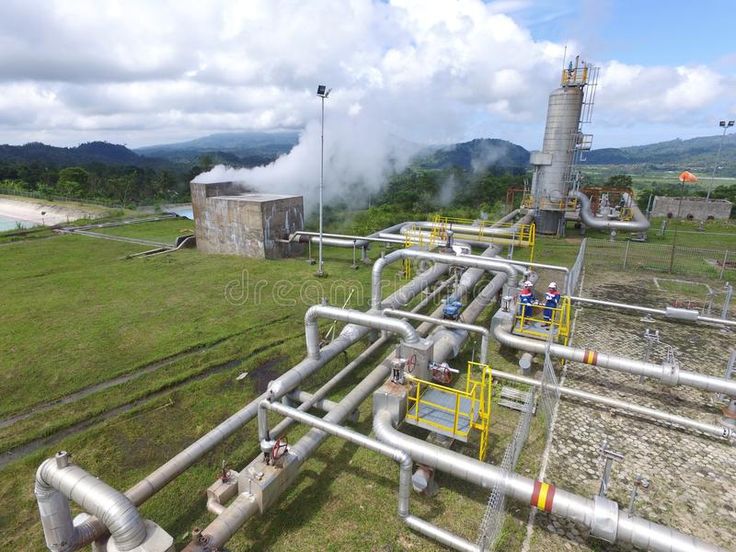
Africa is rich in geothermal resources, particularly along the Great Rift Valley. Countries like Kenya have already demonstrated the potential of geothermal energy. However, like any energy source, it comes with both advantages and challenges.
Overview of Geothermal Energy in Africa
The East African Rift System provides ideal conditions for geothermal energy development. Kenya leads the continent in geothermal electricity production, contributing significantly to its energy mix.
Advantages of Geothermal Energy in Africa
1. Renewable and Sustainable
Geothermal energy provides a long-term energy solution with minimal depletion.
2. Energy Security
Reduces dependence on imported fossil fuels.
3. Low Environmental Impact
Produces fewer emissions compared to coal or oil.
4. Job Creation
Supports local economies through employment in drilling, maintenance, and operations.
5. Reliable Power Supply
Unlike solar and wind, geothermal provides continuous energy.
Disadvantages of Geothermal Energy in Africa
1. High Initial Costs
Exploration and drilling require significant investment.
2. Geographical Limitations
Resources are concentrated in specific regions.
3. Technical Challenges
Requires specialized expertise and technology.
4. Environmental Risks
Includes land subsidence and gas emissions if poorly managed.
Case Study: Kenya’s Success
Kenya has become a global leader in geothermal energy, with major plants in the Rift Valley contributing a significant portion of its electricity.
Future Prospects
With increased investment and technological advancements, geothermal energy could transform Africa’s energy landscape.
Conclusion
Geothermal energy offers immense potential for Africa but requires strategic investment and management to overcome its challenges.