Skip to content

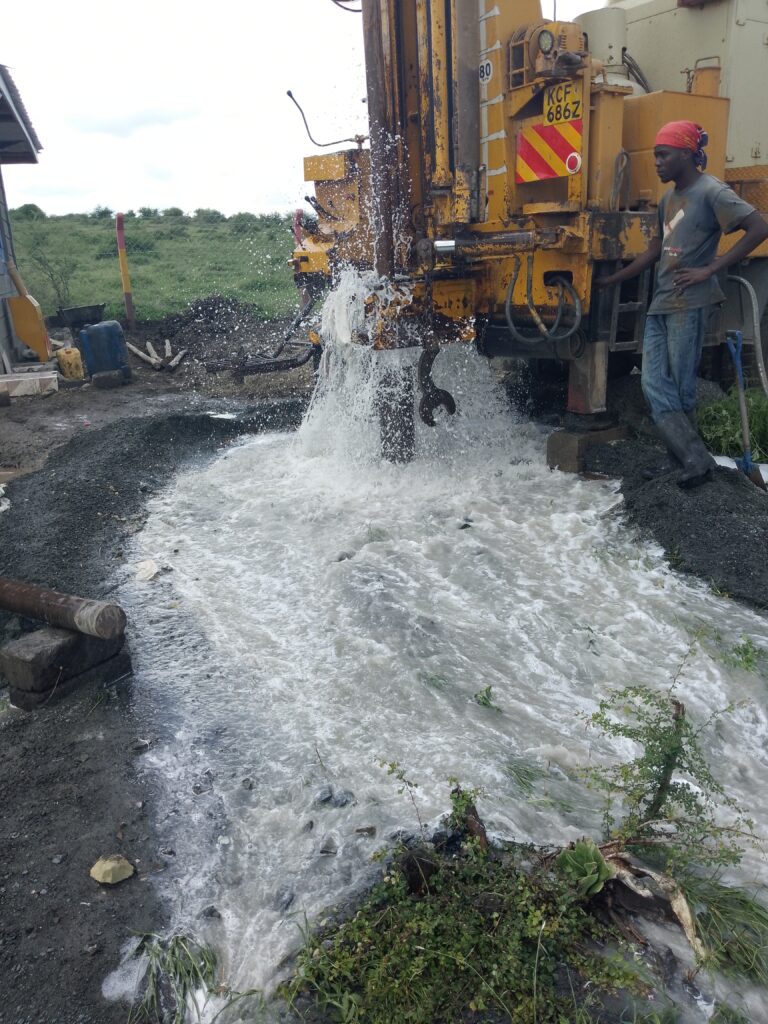
A borehole is not a permanent, maintenance-free asset. Over years of operation, the borehole structure, the screen and the surrounding aquifer material can deteriorate. Borehole rehabilitation (also called redevelopment or regeneration) is a set of investigation and remedial activities that restore a borehole’s yield, water quality and reliability without drilling a new hole.
Rehabilitation is often much cheaper than a new borehole. A new borehole may cost from several hundred thousand to millions of shillings including permits and equipping, whereas rehabilitation typically costs a fraction of that. It also avoids new permit processes, although some changes still require notifying or seeking approval from the Water Resources Authority (WRA). The key is to diagnose the problem accurately, because rehabilitation only works if the cause is something that can be fixed.
Signs That a Borehole Needs Attention
- Declining flow rate compared with the original test pumping or earlier records.
- Increasing drawdown at the same pumping rate (water level in the borehole drops more than it used to).
- Sand or silt in the water, or sand accumulating in tanks and pumps.
- Cloudy, discoloured or smelly water, including red-brown water (iron) or black staining.
- Frequent pump failures, overheating or abnormal noise.
- Pump cycling or air in the line.
- Higher electricity bills for the same volume (a sign of increased head or pump wear).
- Visible damage at the wellhead, or a casing that moves, tilts or collapses.
- A rise in bacterial counts or changes in water chemistry.
Many of these signs overlap with other problems. See our article on why boreholes dry up for a diagnostic overview.
Common Causes of Declining Performance
1. Screen clogging and encrustation. Chemical precipitation of calcium carbonate (scale), iron and manganese oxides, and other minerals can coat screens and the surrounding gravel pack. This is common in hard, iron-rich or high-bicarbonate waters.
2. Biofouling. Iron bacteria, sulphate-reducing bacteria and other microorganisms form slimy biofilms that clog screens and pipes and produce odours and staining.
3. Particle clogging. Fine sand, silt and clay migrate toward the screen during pumping and can plug the gravel pack and screen slots, particularly if the borehole was not well developed after drilling.
4. Screen or casing damage. Corrosion (especially in steel casing and screens in aggressive water), mechanical damage during pump installation or removal, and collapse of unstable formations can reduce flow or let sand in.
5. Sediment accumulation in the sump. Sand and debris collecting at the bottom reduce effective borehole depth and may bury the lower screen.
6. Pump and equipment problems. Worn impellers, damaged motors, blocked intakes, leaking rising mains and faulty valves reduce delivery.
7. Aquifer decline or interference. If the water level has dropped because of regional depletion or neighbouring abstraction, rehabilitation of the borehole structure will not fix the underlying problem, although lowering the pump may help.
Step 1: Investigate Before You Treat
Good rehabilitation starts with a structured investigation, usually by a hydrogeologist working with a specialist contractor:
- Review the records. Compare the original drilling log, construction details, test pumping results, water quality analyses and operating history with current conditions.
- Measure water levels and flow. Record the current static and pumping levels and discharge.
- Inspect the pump and rising main. Pull the pump, check for wear, scaling, corrosion and damage, and examine the intake.
- Check borehole depth. Use a weighted tape to measure depth and detect sediment fill compared with completion depth.
- Carry out a downhole CCTV (camera) survey, where available, to see the casing and screen condition, encrustation, biofouling and damage. This is the most informative single step.
- Run geophysical logging, if appropriate, such as caliper, gamma or flow logs, to assess casing integrity and identify productive zones.
- Analyse water chemistry and microbiology to identify scaling potential, iron, manganese and biological activity. Sampling the scale or deposits can reveal their composition.
- Conduct a pumping test (step test) to compare specific capacity with the original value. A large drop points to clogging or aquifer loss.
The findings should identify the likely cause and guide a treatment plan.
Step 2: Choose the Right Rehabilitation Method
Methods fall into mechanical, chemical and combined categories. A typical programme combines several.
Mechanical methods
- Brushing and bailing. Wire or nylon brushes scrub the casing and screen, loosening deposits, and a bailer removes the loosened material from the bottom.
- Surging. A surge block or piston moves up and down inside the screened section, forcing water back and forth through the screen and gravel pack to dislodge fine particles. This is a classic development technique.
- Air-lift pumping. Compressed air injected through an air line lifts water and sediment from the borehole. It can be combined with surging.
- High-pressure jetting. Jets of water directed horizontally at the screen slots dislodge scale and particles and rinse out debris. Jetting is effective for stubborn clogging.
- Over-pumping. Pumping at a higher rate than normal for a period creates strong flow that flushes fine material, followed by recovery cycles.
Chemical methods
- Acidisation. Dilute acids (such as hydrochloric acid or sulphamic acid, with inhibitors) dissolve carbonate scale and some iron deposits. Strong acids can damage some screen materials and generate hazardous fumes and waste, so this must be done by trained operators following safety and environmental requirements.
- Chlorination and biocides. Chlorine or other disinfectants kill bacteria and break down biofilms, often used together with mechanical agitation.
- Dispersants and polyphosphates. Chemicals that help disperse clays and fine particles so that they can be removed. Used carefully and flushed thoroughly.
- Chelating and reducing agents. For iron and manganese deposits in some cases.
The chemical used depends on the diagnosis. Using acid on a borehole clogged by silt, or physical methods alone on mineral scale, can waste money and may worsen the problem. All treatment fluids and flush water must be disposed of safely and legally, since they can be acidic, contain metals or high chlorine and should not contaminate the environment or the aquifer.
Equipment and structural repairs
- Pump repair, replacement or resizing, including lowering the pump if water levels have declined but the borehole depth allows.
- Casing and screen repair, such as installing a liner inside damaged casing, patching leaks or replacing sections where feasible.
- Sump cleaning and deepening where possible.
- Sanitary seal and wellhead repair to prevent contamination.
- Installing protective devices, such as low-level and dry-run cut-offs, soft starters and monitoring.
Hydraulic fracturing and deepening
In hard-rock boreholes with limited fracture connections, hydrofracturing (injecting water under pressure to open or extend fractures) is sometimes used to improve yield, though results are variable and must be done by experienced specialists. Deepening a borehole is possible in some cases but depends on the hydrogeology, construction and regulatory approvals.
Step 3: Post-Treatment Testing and Disinfection
After treatment:
- Flush and develop until the water runs clear and free of chemicals.
- Disinfect the borehole and system before returning it to service.
- Conduct a pumping test to measure the new yield and compare with the earlier results.
- Retest water quality, including bacteria, to confirm that the water is safe.
- Update records with the work done, chemicals used, results and recommended operating regime.
- Report to WRA if required, especially if you alter the borehole construction, depth or abstraction.
How Much Does Rehabilitation Cost?
Costs depend on the method, depth, accessibility and the extent of work. As a rough guide in the Kenyan market:
- Inspection and diagnosis, including pulling the pump, depth sounding and camera survey: from tens of thousands of shillings.
- Mechanical cleaning and redevelopment (surging, air-lift, jetting): often tens of thousands to a few hundred thousand shillings for typical boreholes.
- Chemical treatment: adds cost for chemicals, specialist labour and waste handling.
- Pump repair or replacement: from tens of thousands to several hundred thousand shillings or more depending on capacity.
- Structural repairs and relining: can be substantially more.
These are indicative figures only. Obtain written quotations from experienced, licensed contractors and compare scope. In many cases, rehabilitation costs well under half the price of a new borehole, but if the aquifer itself is the problem, spending on rehabilitation may not help.
When to Rehabilitate and When to Replace
Rehabilitation is likely worthwhile when:
- The diagnosis shows clogging, scaling, biofouling, sand fill or equipment problems.
- The casing and screen are largely intact.
- The aquifer is still productive and levels have not fallen drastically.
- The borehole is of reasonable age and the original yield was good.
Replacement or a new borehole may be better when:
- The casing has collapsed or is severely damaged beyond economic repair.
- The original borehole was poorly sited and always had marginal yield.
- The aquifer has declined or been intensively over-pumped by neighbours.
- Water quality is unacceptable and cannot be cheaply treated.
- Rehabilitation attempts have repeatedly failed.
A hydrogeologist can provide an independent opinion, which is valuable because contractors have an interest in selling either service.
Preventing the Need for Rehabilitation
Good practice prolongs borehole life:
- Proper design and development at construction. Appropriate screen slot size, gravel pack and thorough development reduce later clogging.
- Pumping within safe yield, avoiding excessive drawdown and high entrance velocities that mobilise fines.
- Regular monitoring of water levels, yield, power consumption and water quality.
- Scheduled maintenance, such as periodic inspection of the pump and wellhead, and preventive cleaning in aggressive waters.
- Water treatment or conditioning where scaling or iron bacteria are known risks.
- Protecting the wellhead with a sanitary seal, apron and fencing.
- Using materials suited to water chemistry, such as stainless steel or uPVC rather than corrosion-prone steel in aggressive water.
- Keeping records so changes can be recognised early.
Industry practice often recommends periodic inspection, with the frequency depending on water chemistry and usage. Boreholes with scaling or iron problems may need more frequent attention.
Regulatory Notes
Rehabilitating an existing borehole within its approved design usually does not require a new drilling authorisation, but changes such as deepening, altering the abstraction volume or installing a significantly larger pump can affect permit conditions. Contact the Water Resources Authority if you plan structural modification or increased abstraction. Use licensed contractors for work involving drilling or deepening, and keep documentation of the work.
Frequently Asked Questions
How long does rehabilitation take? Simple cleaning and testing can take a day or two. Larger programmes with chemical treatment, repairs and retesting may take a week or more.
Will rehabilitation restore the original yield? Often it restores much of it, but not always fully. Results depend on the cause and the extent of aquifer or structural damage.
Can I clean the borehole myself? Basic wellhead maintenance and pump checks can be done by competent operators, but treatment inside the borehole requires specialised equipment and expertise, and chemicals can be hazardous.
Is shock chlorination enough? Chlorination controls bacteria but does not remove scale or sand. It is part of the solution, not always the whole solution.
What if the borehole is dry after cleaning? The problem may be aquifer-related. Consider hydrogeological reassessment, alternative sources or a new, well-sited borehole.
How often should I service the pump? Follow the manufacturer’s guidance and local conditions. Regular inspection prevents unexpected breakdowns.
Conclusion
Borehole rehabilitation and redevelopment can restore yield and extend borehole life at a fraction of the cost of drilling a new borehole, provided the cause of decline is correctly identified. Start with investigation, including records review, pump inspection, camera survey and testing, then apply the right mechanical and chemical treatments, retest and disinfect, and put in place a monitoring and maintenance plan.
For independent hydrogeological diagnosis of a failing borehole and advice on rehabilitation versus replacement, contact Reg. Geol. Mbugua Githae (MGSK) via consult.innercoregeoconsultants.co.ke.