Skip to content

Water is the limiting factor for agriculture, industry, urban growth, and public health in much of Kenya. Population growth, climate variability, and competing demands put pressure on rivers, lakes, and aquifers. Water resources consultancy helps governments, businesses, institutions, and communities assess available water, design supply systems, comply with regulation, and manage resources sustainably.
What Is Water Resources Consultancy?
Water resources consultancy is the professional assessment, planning, and management of surface water and groundwater. It combines hydrology, hydrogeology, geology, engineering, water quality science, and regulatory knowledge to answer practical questions: How much water is available? How reliable is it? What quality is it? How can it be developed and protected? What are the legal requirements?
Core Services
Water resource assessment. Quantifying rainfall, runoff, river flow, groundwater storage, and recharge, and estimating sustainable abstraction rates.
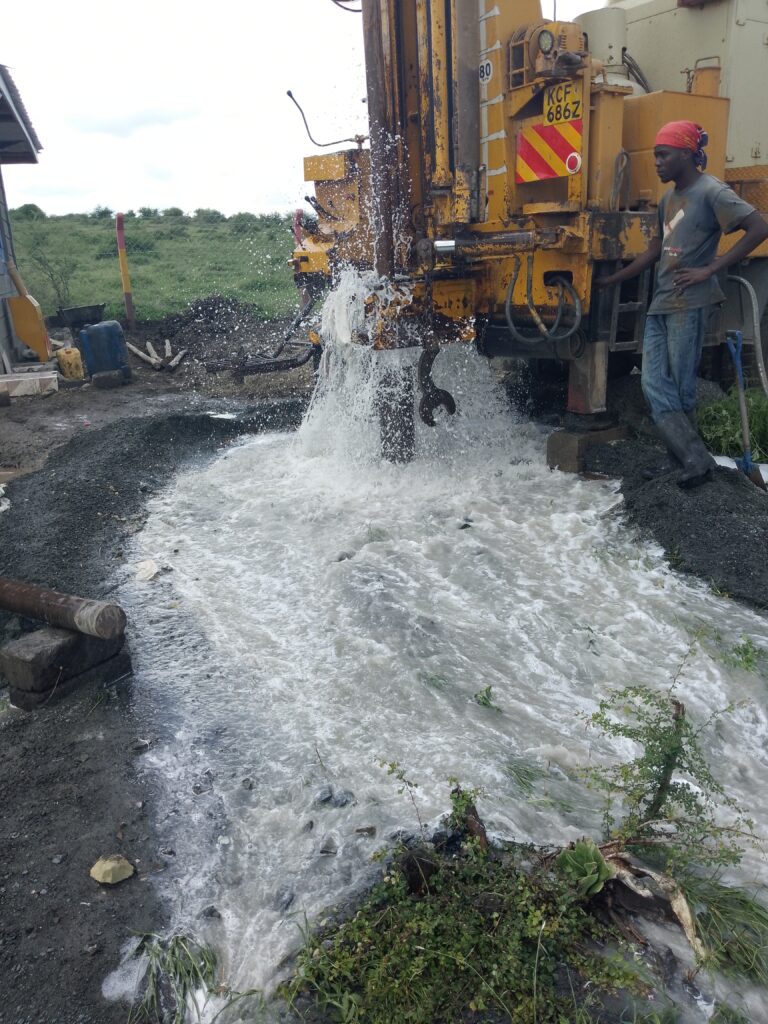
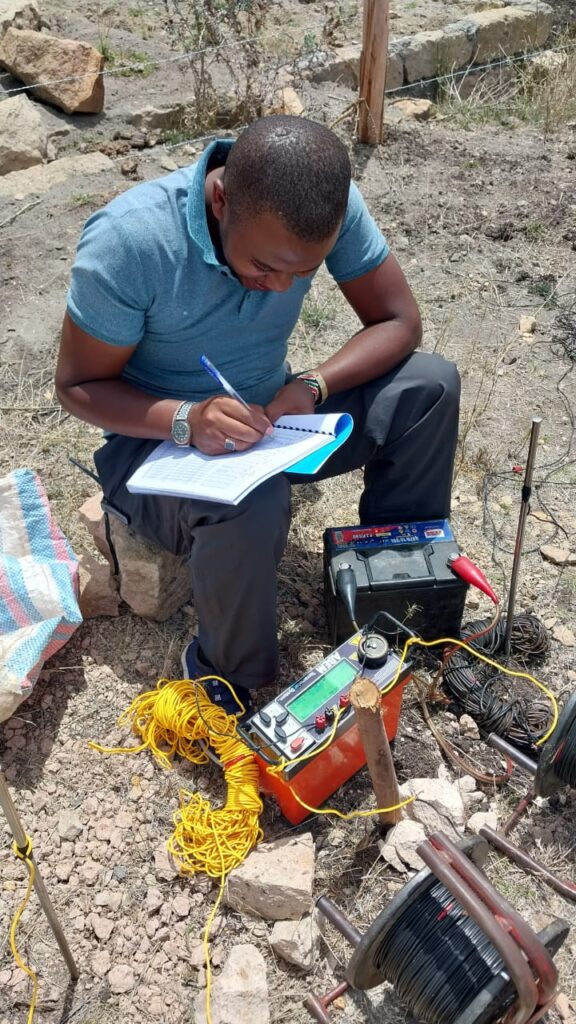
Hydrogeological surveys and borehole development. Siting, design, supervision, pumping tests, and aquifer characterisation for groundwater supplies.
Surface water studies. Catchment analysis, flow measurement, flood estimation, and assessment of water availability for dams, pans, intakes, and irrigation.
Water supply planning and design. Sizing sources, storage, treatment, pumping, and distribution for towns, institutions, farms, and industry.
Irrigation and agricultural water planning. Matching crop water demand with available sources and recommending efficient irrigation methods.
Water quality assessment and treatment advice. Sampling, analysis, interpretation, and selection of treatment options for contaminants such as fluoride, salinity, nitrates, iron, and pathogens.
Water permitting and compliance. Supporting applications for water use permits and borehole authorisations, and preparing technical reports for the Water Resources Authority.
Environmental and social assessments. Water-related baseline studies and impact assessments for developments.
Drought resilience and climate adaptation. Strategies such as rainwater harvesting, sand dams, managed aquifer recharge, and conjunctive use of surface and groundwater.
Monitoring and management plans. Setting up water level, flow, and quality monitoring networks and developing management plans.
Surface Water and Groundwater Together
Many Kenyan water problems are best solved by treating surface and groundwater as one system. Rivers recharge aquifers during floods, and groundwater sustains river flow in dry seasons. Sand dams and subsurface dams in seasonal rivers store water in alluvium, while boreholes can supplement supply during drought. A combined approach improves reliability and reduces the risk of overexploiting a single source.
The Regulatory Framework
The Water Act, 2016 vests water resources in the State and establishes institutions for regulation and service provision. The Water Resources Authority regulates abstraction, issues permits, and manages resource monitoring, while county governments and water service providers deliver services. Users who drill boreholes or abstract water in regulated amounts must follow permit procedures, which commonly require technical documentation. Environmental assessment requirements may also apply to larger schemes.
Planning a Water Project: A Typical Sequence
- Define demand. Estimate the number of users, livestock, irrigated area, or industrial needs, with allowance for growth and peak demand.
- Identify potential sources. Evaluate rivers, springs, dams, rainwater, and groundwater.
- Assess availability and reliability. Use data, field investigation, and, where needed, modelling to quantify supply and drought performance.
- Evaluate quality. Test for contaminants and determine treatment needs.
- Compare options. Weigh cost, reliability, energy requirements, environmental impact, and community acceptance.
- Design and permit. Prepare technical designs and secure the necessary approvals.
- Implement and supervise. Oversee construction, commissioning, and testing.
- Operate and monitor. Establish management arrangements, tariffs where relevant, and monitoring.
Energy and Technology Choices
Pumping is often the largest running cost in water supply. Solar-powered pumping has become a popular, low-running-cost option for boreholes and small schemes, especially where grid power is unavailable. Proper design is important: the array size, pump selection, controller, and storage tank must match the borehole yield and daily demand. Metering, leak detection, and efficient irrigation techniques reduce waste and extend the life of the resource.
Climate and Sustainability
Rainfall in much of Kenya is variable, with recurrent droughts and intense floods. Water resource planning must therefore test supply under dry-year conditions and consider long-term trends. Protecting catchments, recharge areas, and wellheads, controlling pollution, and encouraging efficient use are central to sustainability. Community participation and clear governance ensure that infrastructure is maintained and fairly shared.
Common Mistakes
- Drilling or building before assessing demand and supply.
- Overlooking water quality until the system is built.
- Ignoring seasonal variation and drought risk.
- Neglecting permits and legal requirements.
- Choosing equipment without considering operation and maintenance capacity.
- Failing to monitor abstraction and water levels.
Choosing a Water Resources Consultant
Look for combined hydrogeology and hydrology skills, knowledge of Kenyan regulation, practical experience in your region, and clear reporting. Good consultants present options with costs and risks, rather than a single predetermined solution.
Conclusion
Reliable, safe water is the foundation of health, food production, and economic growth. Water resources consultancy provides the evidence and planning needed to develop supplies that last and to protect the resource for future users.
Innercore Geoconsultants Services Limited offers water resources consultancy, hydrogeological surveys, borehole supervision, and aquifer assessments across Kenya. Contact us to plan a water supply that is reliable, compliant, and sustainable.