Skip to content
As geothermal energy continues expanding across East Africa’s Rift Valley nations, demand for skilled geoscientists capable of finding, characterizing, and managing geothermal resources is growing steadily. For students and early-career professionals drawn to the intersection of earth science and renewable energy, geothermal consulting offers a genuinely compelling career path: technically challenging, geographically varied, and directly connected to some of the most consequential infrastructure development happening on the continent today. Here’s what that career path actually looks like.
What Geothermal Consultants Actually Do Day to Day
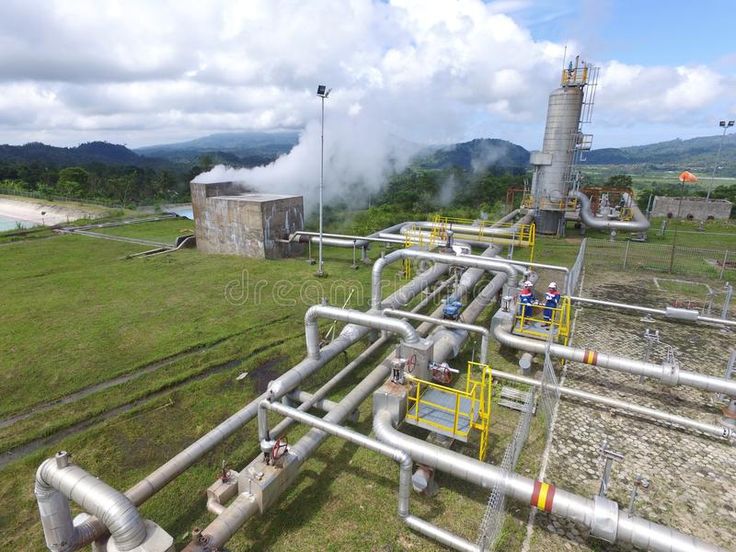
Geothermal consulting isn’t a single job description but rather a cluster of related specializations working together across the project lifecycle. A geothermal geologist might spend weeks in the field mapping volcanic formations and fault systems, sampling hot spring water for geochemical analysis, or supervising exploratory drilling operations. A geophysicist might be more office-based, processing resistivity or gravity survey data using specialized software to build subsurface models. A reservoir engineer analyzes well test data and production trends to forecast how a geothermal field will perform over decades of operation.
What unites these roles is a shared focus on reducing uncertainty about what lies beneath the Earth’s surface, translating scattered field data into confident, actionable insights that guide multi-million-dollar drilling and development decisions. It’s detail-oriented, rigorous work, but it also offers the satisfaction of contributing directly to tangible energy infrastructure that will power homes and industries for generations.
Educational Pathways Into the Field
Most geothermal consulting careers begin with an undergraduate degree in geology, geophysics, or a closely related earth science discipline. Kenyan universities, along with other institutions across East Africa, offer geology and earth science programs that provide the foundational knowledge in mineralogy, structural geology, and stratigraphy that underpins geothermal exploration work.
For those specifically interested in the geophysical side of geothermal exploration, degrees in geophysics or applied physics with a geoscience focus provide valuable grounding in the mathematical and physical principles underlying resistivity, gravity, and magnetic survey methods.
Increasingly, employers in the geothermal sector value candidates who pursue postgraduate specialization, whether through master’s programs focused specifically on geothermal energy, reservoir engineering, or renewable energy systems, or through specialized short courses and certificate programs offered by institutions with dedicated geothermal training programs. Kenya’s own geothermal sector has benefited significantly from specialized training programs developed in partnership with international geothermal research institutions, reflecting the country’s position as a regional hub for geothermal expertise.
Building Practical Field Experience
Classroom knowledge alone rarely prepares graduates for the realities of geothermal fieldwork, which often involves long stints in remote, sometimes physically demanding locations along the Rift Valley, collecting samples, operating survey equipment, or supervising drilling operations under significant time and budget pressure.
Internships and early-career field positions with geothermal developers, drilling companies, or consulting firms provide invaluable hands-on experience that complements formal education. Many successful geothermal professionals in the region point to early field assignments, whether during university fieldwork requirements or entry-level positions, as pivotal experiences that shaped their technical skills and career direction far more than classroom coursework alone.
Volunteering for or seeking out opportunities with organizations involved in geothermal research, even in support or data processing roles, can also provide valuable exposure to the sector and help build professional networks that often prove essential for career advancement in a field where personal reputation and demonstrated field competence carry significant weight.
Key Technical Skills That Employers Value
Beyond foundational geoscience knowledge, several specific technical skills significantly enhance employability in geothermal consulting. Proficiency in geographic information systems (GIS) software is essential for virtually every role in the field, given the heavy reliance on spatial data integration and mapping throughout exploration and development work.
For geophysics-focused roles, familiarity with specialized survey processing and modeling software used for resistivity, gravity, and magnetic data interpretation is highly valued, as is a solid grounding in the underlying mathematical and statistical principles that inform geophysical data analysis.
Data analysis and programming skills, particularly in tools like Python or R, are increasingly valuable across the geoscience sector, given the growing role of computational modeling and large dataset analysis in resource characterization and reservoir engineering work.
Strong technical writing and report preparation skills matter enormously as well, since geothermal consultants regularly need to translate complex technical findings into clear reports for clients, regulators, and financiers who may not share the same technical background.
Certifications and Professional Development
Professional registration with relevant geoscience bodies, where available in your country or region, can add credibility and open doors to certain roles, particularly those involving formal sign-off on technical reports used for regulatory submissions or investment due diligence.
Beyond formal certification, ongoing professional development through conferences, workshops, and technical training programs is genuinely important in a field where techniques and best practices continue evolving. Regional conferences focused specifically on East African geothermal development provide valuable opportunities to learn about emerging methodologies, build professional networks, and stay current on major projects and technical developments across the sector.
Career Progression in Geothermal Consulting
Entry-level positions in geothermal consulting typically involve substantial field data collection work, whether that’s geological mapping, geochemical sampling, or geophysical survey operation, under the supervision of more senior team members. This hands-on foundation is genuinely valuable, building the practical intuition needed to eventually take on more independent technical responsibility.
With experience, geoscientists typically progress toward roles involving greater responsibility for data interpretation, conceptual model development, and eventually project-level technical leadership, overseeing exploration programs or managing the technical relationship with client organizations. Senior geothermal consultants often develop specialized expertise in a particular technical niche, whether that’s reservoir engineering, geochemistry, or environmental and social impact assessment, while also building the broader project management and client communication skills needed to lead complex, multidisciplinary exploration and development programs.
Some experienced geothermal professionals eventually move into roles with geothermal developers or government agencies rather than remaining in pure consulting, applying their technical expertise from the client or regulatory side of major projects, while others progress toward starting their own specialized consulting practices once they’ve built sufficient reputation and professional networks within the sector.
Why Now Is a Compelling Time to Enter the Field
The geothermal sector across East Africa remains in a genuine growth phase, with countries like Ethiopia and Djibouti still in relatively early stages of geothermal development, and even Kenya’s mature sector still holding substantial untapped resource potential across prospects like Baringo-Silali. This ongoing expansion, combined with increasing global attention to renewable energy development and climate-resilient power systems, suggests sustained demand for skilled geothermal professionals for years to come.
For students and early-career geoscientists genuinely drawn to fieldwork, technical problem-solving, and work with direct real-world impact, geothermal consulting offers a career path that combines rigorous scientific work with meaningful contribution to the region’s energy future, an increasingly rare combination in a job market where many technical careers feel disconnected from tangible outcomes. Building the right foundation, through targeted education, hands-on field experience, and sustained professional development, positions the next generation of East African geoscientists to play a central role in unlocking the region’s remarkable geothermal potential.