Skip to content
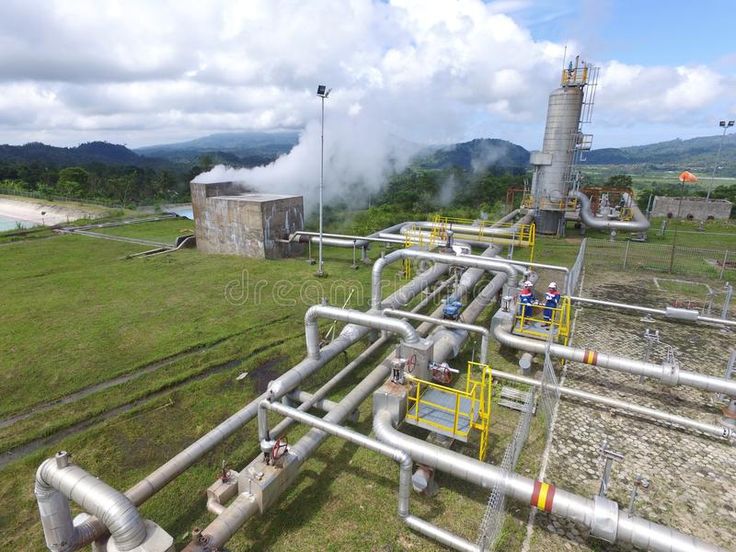
Geothermal energy is frequently celebrated as one of the cleanest sources of power available, and in many respects that reputation is well earned. But clean does not mean impact-free. Geothermal development involves drilling deep wells, managing large volumes of hot fluid, constructing power infrastructure, and often operating in ecologically sensitive or community-populated areas. This is why Environmental and Social Impact Assessments, commonly known as ESIAs, are not just a regulatory checkbox but a genuinely essential part of responsible geothermal project development.
What an ESIA Actually Covers
An ESIA is a structured process for identifying, predicting, and evaluating the potential environmental and social effects of a proposed project before it goes ahead. For geothermal developments specifically, this process typically spans the full project lifecycle, from exploratory drilling through construction, operation, and eventual decommissioning.
The assessment isn’t limited to environmental factors like air and water quality. A comprehensive ESIA also evaluates social dimensions, including impacts on local livelihoods, land use, cultural heritage, and community health and safety. In many jurisdictions, including Kenya and other East African countries, an approved ESIA is a legal prerequisite for obtaining project permits, and it’s almost always required by international lenders and development finance institutions before they’ll commit funding.
Why Geothermal Projects Require Special ESIA Considerations
Geothermal projects present a distinct set of environmental considerations compared to other renewable energy technologies, largely because of what happens beneath the surface and what comes back up.
Land use and siting impacts. Geothermal fields are often located in geologically sensitive areas, sometimes overlapping with protected areas, national parks, or conservation zones, as is the case with Kenya’s Olkaria field, which sits within Hell’s Gate National Park. ESIAs must carefully evaluate how well pads, pipelines, roads, and power plant infrastructure will affect wildlife habitats, vegetation, and protected ecosystems.
Water resources. Geothermal operations use and produce significant volumes of fluid. ESIAs need to assess potential impacts on groundwater and surface water resources, including the risk of contamination from geothermal brines, which can contain elevated concentrations of dissolved minerals and trace elements. Reinjection strategies, where used geothermal fluid is pumped back underground, must also be evaluated for their potential to affect local aquifers or trigger induced seismicity.
Gas emissions. While geothermal power generation produces far lower emissions than fossil fuel plants, geothermal fluids often contain non-condensable gases, including hydrogen sulfide and carbon dioxide, that are released during the flashing and power generation process. ESIAs must assess air quality impacts from these emissions, particularly hydrogen sulfide, which has a distinctive odor and can pose health risks at elevated concentrations near populated areas.
Land subsidence and seismicity. Extraction of geothermal fluid can, in some cases, lead to gradual land subsidence if reservoir pressure isn’t properly managed. Additionally, fluid injection associated with geothermal operations has occasionally been linked to induced seismic activity in certain geological settings. A thorough ESIA evaluates these risks based on the specific geology of the site and proposes monitoring and mitigation strategies accordingly.
The Social Dimension of Geothermal ESIAs
Geothermal projects are typically large, long-term infrastructure investments that can significantly affect nearby communities, both positively and negatively. A well-conducted ESIA addresses several key social considerations.
Resettlement and land acquisition. Where project infrastructure requires land that is currently occupied or used by local communities, ESIAs must document resettlement plans that comply with national law and, for internationally financed projects, standards such as those set by the International Finance Corporation (IFC) or African Development Bank. These standards typically require that resettled communities are left no worse off, and ideally better off, than before the project began.
Livelihood impacts. Many geothermal prospects in East Africa are located in areas used for pastoralism or small-scale agriculture. ESIAs need to evaluate how construction activities, land access restrictions, or changes in water availability might affect these traditional livelihoods, and propose compensation or livelihood restoration measures where necessary.
Community health and safety. Construction traffic, drilling noise, and potential exposure to geothermal gases all carry implications for community health and safety that must be addressed within the ESIA framework, along with emergency response planning for scenarios like well blowouts.
Cultural heritage. In regions with significant cultural or historical sites, ESIAs must identify any heritage assets within the project footprint and propose measures to avoid or minimize impacts, in consultation with relevant cultural authorities and local communities.
The ESIA Process: Key Stages
While specific regulatory requirements vary by country, most ESIA processes for geothermal projects in East Africa follow a broadly similar sequence.
The process typically begins with screening and scoping, where the scale and nature of the project are used to determine the level of assessment required, and key issues to be studied in depth are identified based on preliminary site visits and stakeholder input.
Baseline data collection follows, involving detailed studies of existing environmental and social conditions at the project site, covering everything from soil and water quality to biodiversity surveys and socioeconomic assessments of nearby communities.
Impact prediction and evaluation uses this baseline data, combined with technical project details, to forecast likely impacts and assess their significance, considering both the magnitude of the impact and the sensitivity of the receiving environment or community.
Mitigation planning develops specific measures to avoid, minimize, or compensate for identified impacts, typically formalized in an Environmental and Social Management Plan (ESMP) that guides implementation throughout construction and operation.
Stakeholder consultation runs throughout the entire process, involving structured engagement with local communities, government agencies, and other interested parties, ensuring that concerns are documented and, where feasible, incorporated into project design and mitigation planning.
Getting the ESIA Right from the Start
For geothermal developers, treating the ESIA as a late-stage formality rather than an integral part of project planning is a common and costly mistake. Environmental and social risks identified early in the exploration phase are almost always cheaper and easier to manage than those discovered after significant capital has already been committed to a particular site or design.
Engaging experienced environmental consultants with specific geothermal expertise, ideally from the earliest stages of project conception, helps ensure that ESIAs are technically robust, meet the requirements of both national regulators and international financiers, and genuinely reflect the concerns of affected communities rather than serving as a bureaucratic formality.
A Foundation for Sustainable Development
A well-executed ESIA does more than secure regulatory approval. It builds the foundation for a geothermal project that operates responsibly over its multi-decade lifespan, maintains the trust of local communities, and genuinely delivers on the environmental promise that makes geothermal energy attractive in the first place. As East Africa’s geothermal sector continues to expand, the quality and rigor of ESIA processes will play a significant role in determining whether that growth translates into development that is not just clean on paper, but genuinely sustainable in practice.