Skip to content

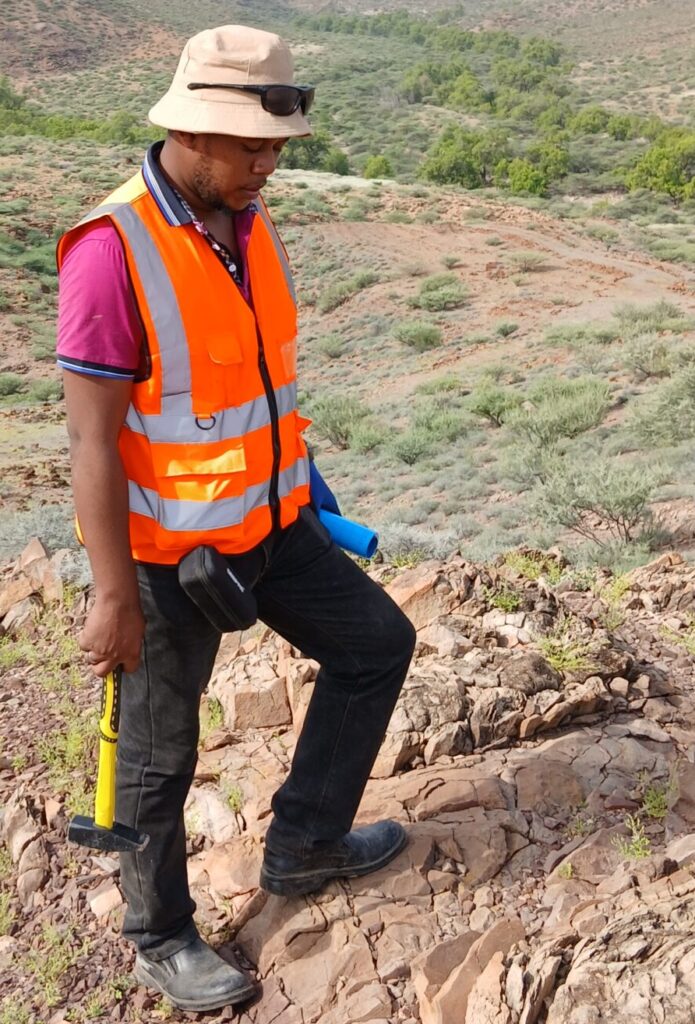
Geology is one of the quieter professions in Kenya, yet it underpins water supply, geothermal power, mining, roads, housing, disaster planning and environmental protection. Kenya ranks first in Africa and among the top countries globally for installed geothermal capacity, the mining sector is being repositioned as a growth industry, and groundwater is becoming a central national concern. This guide describes where geologists work, what skills employers want, what the pay data suggest, and how to build a career.
Where Geologists Work
Geothermal energy. Kenya’s geothermal sector, led by organisations such as KenGen and the Geothermal Development Company, employs geologists to map volcanic systems, interpret surface and drilling data, and characterise reservoirs. Interest will rise further because Nairobi will host the World Geothermal Congress in 2029, the first time the event is held in Africa.
Water and groundwater. Hydrogeologists site and supervise boreholes, assess aquifers and support water authorities, county governments, NGOs and consultancies. Scientists have pointed out that much of Africa’s groundwater is poorly understood, so the need for trained people is large.
Mining and quarrying. Exploration geologists, mine geologists and resource geologists work for exploration companies, small-scale mining operations, cement and construction materials producers and government agencies. Regional gold, titanium, rare earth, fluorspar, soda ash and industrial minerals offer a wide range of opportunities.
Engineering and construction. Engineering geologists contribute to roads, railways, dams, tunnels, high-rise buildings and housing projects, assessing ground conditions and geohazards.
Environmental and climate-related work. Environmental geologists assess contamination, mine rehabilitation, landfill sites, flooding, landslides, sinkholes and the changing levels of Rift Valley lakes.
Government and research. The Ministry responsible for mining, the Geological Survey function, the National Environment Management Authority, the Water Resources Authority and universities and research institutes provide public-sector and academic roles.
Oil and gas. Exploration in the Turkana region and the wider rift has kept petroleum geology on the map, although activity depends on investment cycles.
Emerging areas. Data science, GIS, remote sensing, machine learning and drone surveying are growing parts of the profession. Geoscience conferences in Africa now routinely include sessions on AI and machine learning.
Core Skills Employers Look For
Technical foundations
- Field mapping, rock and mineral identification, structural geology and stratigraphy
- Core logging, sampling and quality control
- Hydrogeology basics: aquifers, pumping tests, water chemistry
- Geophysics fundamentals: resistivity, magnetics, seismic
- Geochemistry and basic laboratory interpretation
Digital skills
- GIS software such as QGIS or ArcGIS
- Geological modelling and drilling databases
- Python or R for data handling and plotting
- Remote sensing and drone data processing
- Spreadsheet and reporting skills
Professional skills
- Technical report writing that a non-specialist can follow
- Health and safety awareness for fieldwork
- Project management and cost awareness
- Communication with communities, landowners and regulators
- Ethics and professional integrity
Many hiring managers say that a graduate who can map confidently, log accurately, use GIS and write clearly stands out from those with grades alone.
Education Pathways
Undergraduate degree. Most geologists start with a BSc in geology or a related field such as geophysics, applied geology, mining, geospatial science or environmental science, offered by public and private universities in Kenya. Check each programme’s accreditation and field components.
Postgraduate study. An MSc is common in hydrogeology, geothermal geology, mineral exploration, engineering geology and environmental management. A PhD leads to research, academic and senior technical roles.
Short courses and certifications. Courses in GIS, geophysics, geothermal exploration, mineral resource estimation, drilling supervision or health and safety add practical value, and some are offered through geoscience societies and industry bodies.
Professional Registration and Membership
Kenya’s Geologists Registration Act established the Geologists Registration Board, which registers geologists and regulates their conduct. Registration depends on recognised qualifications and experience. Separately, the Geological Society of Kenya, founded in 1974, offers membership at student, graduate, associate, professional and other levels, along with conferences and networking. Joining GSK as a student and later pursuing registration is a sensible sequence. See our article on GSK registration for more detail.
What Do Geologists Earn in Kenya?
Salary data for Kenya is patchy, and online surveys give very different numbers, so treat any figure as a rough guide rather than a promise. Here is what public sources show:
- A salary survey on Paylab reports that 80% of geologists in Kenya earn between roughly KES 40,000 and KES 135,000 gross per month, with about 10% earning less and 10% earning more.
- Another dataset reports an estimated average of around KES 269,000 per month before tax for geologists, with entry-level pay lower and senior pay much higher, and estimates of roughly KES 137,000 for geological engineers and KES 259,000 for geophysicists. These figures are modelled averages and appear higher than the Paylab range, so they probably reflect experienced and private-sector roles more than the typical graduate.
- A small-sample user-reported dataset suggested entry-level take-home pay in the low tens of thousands of shillings, and mid-career pay several times that.
Taken together, a realistic picture is that new graduates, especially in government internships or small consultancies, may start at modest levels, while experienced specialists in geothermal, mining, oil and gas or international consultancies can earn several times more. The public sector is reported to pay somewhat more on average in one dataset, but private and international employers often pay premiums for scarce skills. Location, employer size, specialisation, benefits such as housing and field allowances, and whether the contract is permanent or consultancy-based all affect total income.
Many geologists also build income through consultancy work such as hydrogeological surveys, site investigations and technical reports, once registered and experienced.
A Typical Career Path
- Student (years 1 to 4). Join GSK as a student member. Take every field trip. Learn GIS.
- Graduate (years 0 to 3 after graduation). Seek internships, attachments or graduate programmes. Build a field logbook. Complete registration requirements as experience grows.
- Early career (years 3 to 6). Specialise, for example in hydrogeology or exploration. Take short courses. Start leading small tasks.
- Mid-career (years 6 to 12). Lead projects, supervise junior staff, write major reports. Consider an MSc if you have not done one. Pursue professional recognition such as registration and, where relevant, competent person status.
- Senior level. Become a principal geologist, technical manager, consultant or director. Mentor graduates and contribute to policy and standards.
How to Stand Out as a Graduate
- Build a portfolio of maps, logs and short reports from university projects.
- Learn software skills that employers use, and show examples.
- Gain field time through volunteering, attachments or helping small-scale miners and borehole teams under supervision.
- Network at GSK events and conferences.
- Find a mentor who can review your work and open doors.
- Be willing to start in regional or field-based roles, which often lead to faster skill growth.
Challenges to Be Realistic About
Competition for graduate jobs is strong, and many roles are project-based. Fieldwork can be physically demanding and remote. Funding for exploration and public geoscience varies with economic cycles. Entry-level pay can be modest. Geologists who keep learning, specialise early and build professional credibility tend to progress better.
Key Takeaways
Geology offers a diverse, meaningful career in Kenya, with growth in geothermal energy, groundwater, mining and environmental work. The most successful geologists combine strong fieldwork with digital skills, professional registration and a good network. Salaries range widely, so research specific employers and specialisations carefully.
If you are a recent graduate looking for structured training and mentorship, see our guide to geology training and mentorship for graduates.
Sources and Further Reading
- Geologist salaries in Kenya, Paylab
- Average geologist salary in Kenya, WorldSalaries
- Average geophysicist salary in Kenya, WorldSalaries
- Geologist salaries, MySalaryScale
- Nairobi selected to host the 2029 World Geothermal Congress, ThinkGeoEnergy
- Geological Society of Kenya
- Geologists Registration Act, Cap. 535