Skip to content

A building transfers its weight to the soil through its foundation. If the soil is strong and stable, the load is carried safely. If the soil is weak, compressible, expansive, or changes with moisture, the building moves. Movement that is uniform may be tolerable, but differential settlement, where one part sinks more than another, introduces stresses that cracks beams, columns, and walls, and can trigger progressive failure.
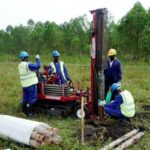
The geotechnical engineer’s job is to quantify these risks before construction by testing the ground, estimating its strength and compressibility, and recommending a suitable foundation type and depth. When that step is skipped, the design is essentially a guess.
No Soil Investigation or an Inadequate One
The most common geotechnical root cause is the absence of a proper site investigation. Developers sometimes copy the foundation design of a neighbouring building, assuming the ground is the same. In reality, soil conditions in Kenya can change dramatically within tens of metres. A plot on a former riverbed, a filled quarry, or a swampy edge can sit beside firm volcanic ground.
An inadequate investigation, such as a single shallow pit for a multi-storey building, is nearly as risky. It may miss a soft layer at depth, a buried channel, or groundwater that only appears below the explored depth. Good practice requires boreholes deep enough to explore the zone of soil significantly stressed by the building, with sampling and testing.
Black Cotton and Other Expansive Soils
Black cotton soil, an expansive clay rich in the mineral montmorillonite, covers large parts of Kenya including areas around Kisumu, the Athi-Kapiti plains, parts of Nairobi’s eastern side, Mwea, and many lowland basins. It swells when wet and shrinks when dry, generating powerful pressures and movements. Lightly loaded structures such as houses, boundary walls, and floors are especially vulnerable, but multi-storey buildings on shallow footings can also be affected when moisture changes unevenly.
When foundations are placed in the active zone without protection, seasonal swelling can lift one corner while another settles, cracking walls in a characteristic stepped pattern. Failure to recognise and design for these soils is a leading cause of distress in Kenyan buildings.
Low Bearing Capacity and Excessive Settlement
Bearing capacity is the pressure soil can safely support. Soft clays, loose sands, organic soils, and uncompacted fill have low bearing capacity and high compressibility. Where these exist, shallow pad or strip footings sized for firm ground will overload the soil, causing shear failure or large settlements.
Even when the soil does not fail outright, long-term consolidation can produce settlements that exceed what the structure can tolerate. Many failures reported after the first or second rainy season are linked to soils that softened after wetting, losing strength that appeared adequate in dry conditions.
Groundwater, Poor Drainage, and Flooding
Water is the great enemy of foundations. A rising water table reduces effective stress in the soil and can lower bearing capacity. Poor surface drainage allows rainwater to pond against foundations, saturating the soil and, in expansive soils, causing swelling. Leaking water pipes and sewers have similar effects.
In densely built parts of Nairobi, Mombasa, and Kisumu, uncontrolled stormwater and blocked drains regularly saturate the ground around buildings. Heavy rains can also erode soil from beneath footings, a process called scour, particularly near streams and riparian zones, undermining the support.
Building on Unsuitable Sites: Riparian Land, Fill, and Slopes
Rapid urbanisation pushes construction onto marginal land: riverbanks, wetlands, old dumpsites, quarries, and steep slopes. Each carries geotechnical hazards. Filled ground placed without proper compaction contains voids and will settle unpredictably. Riparian land has soft alluvium and high groundwater. Slopes may creep or slide when loaded or saturated. Building here without specialist assessment is a gamble.
Fill is a particular concern when its history is unknown. Mixed rubble, organic waste, and loose soil produce uneven support, and nothing in the surface appearance reveals it. Only boreholes and testing can show the depth and quality of the fill.
Foundation Design Errors and Poor Construction Practice
Even with good soil data, errors can occur. Foundations may be designed too shallow, too narrow, or without reinforcement suited to differential movement. On site, footings may be excavated and left open during rain, letting water soften the bearing surface. Concrete may be poured onto loose or wet soil, or the founding level may differ from the design level. Contractors sometimes change the foundation depth to save cost without consulting the engineer.
Another frequent issue is the failure to remove soft spots or to compact backfill under floor slabs. Floor slabs on uncompacted fill crack and settle, and the damage often spreads to walls.
Adding Floors Without Checking the Foundation
Kenya has seen many cases where owners add extra storeys to buildings designed for fewer floors. The soil and foundation were assessed, if at all, for the original load. Additional storeys increase foundation pressure, which may exceed bearing capacity or cause settlement the original design never allowed for. Vertical extension is safe only after a structural and geotechnical review of the existing foundation and soil.
Seismic and Ground Motion Considerations
Kenya lies along the East African Rift System, and while large destructive earthquakes are less frequent than in some regions, moderate events occur and local soil conditions can amplify shaking. Soft soils may amplify ground motion and, in saturated loose sands, liquefaction can occur. Seismic design considerations and ground classification are therefore part of a complete geotechnical assessment for important buildings.
Weak Enforcement and the Human Factor
Technical causes interact with regulatory and human ones. Weak enforcement of building codes, unapproved construction, and the use of unqualified persons allow poorly designed foundations to proceed. Professional bodies and authorities such as the National Construction Authority and county governments have pushed for audits and compliance, but enforcement remains uneven. Clients who treat the soil report as an optional expense, and consultants who accept thin data, share responsibility.
How to Prevent Geotechnical Failures
Prevention is practical and affordable. Commission a geotechnical investigation suited to the structure. Engage a registered engineer to design the foundation based on that data. Control drainage around the site during and after construction. Inspect excavations before concrete is poured. Use qualified contractors and insist on supervision. Do not alter foundation depth or load without engineering approval. For existing buildings showing cracks, tilting, or sticking doors, seek an assessment early, because movement tends to accelerate.
Warning Signs Owners and Tenants Should Not Ignore
Buildings usually give warnings before serious failure. Diagonal cracks that widen over weeks, cracks wider at the top of a wall than the bottom, doors and windows that suddenly jam, floors that slope or crack, gaps opening between walls and floors, and visible tilting of walls, columns, or the whole structure are all signals of ground or foundation movement. New cracks that appear after heavy rain, or after excavation or construction next door, deserve particular attention.
If you notice these signs, do not simply plaster over the cracks. Mark the ends of the cracks with dates, photograph them, and measure their width over time. Contact a registered structural or geotechnical engineer for assessment. In rental properties, tenants should report such signs to the landlord and, where necessary, to the county building inspectors. Early intervention, such as fixing drainage, underpinning, or restricting use of the building, can avert a disaster.
Lessons for Developers, Engineers, and Regulators
The recurring lesson from failures is that no single party can prevent them alone. Developers must fund and heed proper investigations. Engineers must base designs on real data and supervise construction. Contractors must follow the design and report differences on site. Regulators must enforce approval processes, inspect foundations before the superstructure rises, and act on unsafe buildings. Independent peer review of foundation designs for multi-storey buildings, and mandatory inspection of foundation excavations, are practical steps that strengthen the system. When each party treats the soil as a design input rather than a formality, the risk of geotechnical collapse falls sharply.
Key Takeaways
Geotechnical failures in Kenya are rarely mysterious in hindsight. They follow a pattern: unknown or ignored ground conditions, foundations that do not match the soil, water allowed to reach the foundation, and weak supervision during construction. Each link in that chain can be broken at modest cost. Insist on a soil report, make sure the foundation design refers to it, protect excavations and drainage, and have the foundation inspected before the concrete is poured. These four habits prevent a large share of the ground-related failures seen in Kenyan construction.
Conclusion
Buildings in Kenya collapse for many reasons, but the ground is a central character in the story. Black cotton soils, weak or compressible layers, water, unsuitable sites, and ignored investigation findings repeatedly appear in failure investigations. The good news is that these hazards are identifiable and manageable. A proper soil investigation, competent design, and disciplined construction can prevent most geotechnical failures, protecting both investments and lives.