Skip to content
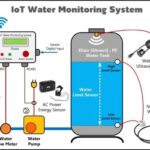
The integration of the Internet of Things (IoT) into geoscience and engineering has significantly transformed how geoconsultancy firms collect, analyze, and manage environmental and geological data. Traditionally, geological investigations relied heavily on periodic field surveys, manual measurements, and limited datasets. However, the introduction of IoT sensors has made it possible to continuously monitor geological processes, environmental parameters, and infrastructure conditions in real time.
For geoconsultancy companies involved in hydrogeology, geotechnical engineering, environmental monitoring, mining exploration, and infrastructure development, IoT sensors provide a powerful toolset for improving accuracy, efficiency, and safety. These sensors collect and transmit data from remote locations to centralized systems where geoscientists and engineers can analyze the information instantly.
We highlight some of the most important IoT sensors currently transforming geoconsultancy operations.
Groundwater Level Sensors
Groundwater level monitoring is a critical component of hydrogeological investigations. IoT-enabled water level sensors allow geologists and hydrologists to track fluctuations in aquifers continuously. These sensors are installed in boreholes, wells, and piezometers and measure the depth of water below the ground surface.
Real-time groundwater monitoring is particularly valuable in regions experiencing water scarcity or heavy groundwater extraction. Continuous data collection enables consultants to detect seasonal variations, recharge rates, and potential overexploitation of aquifers. The collected information can be transmitted via wireless networks to cloud-based dashboards, allowing hydrogeologists to analyze trends and generate predictive models for groundwater management.
Soil Moisture Sensors
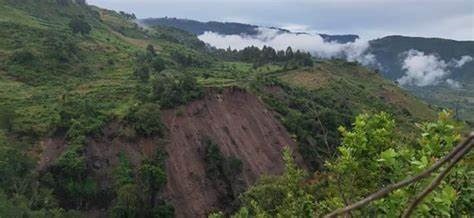
Soil moisture sensors are widely used in environmental monitoring, agriculture, and geotechnical engineering. In geoconsultancy, these sensors help assess soil water content, which plays a crucial role in slope stability, landslide prediction, and groundwater recharge estimation.
IoT-enabled soil moisture sensors can be deployed across large geographic areas and transmit data automatically at regular intervals. The data helps consultants understand how rainfall infiltration affects soil conditions and how moisture levels change over time.
For example, in landslide-prone areas, increasing soil moisture may indicate the weakening of soil structures, signaling the potential for slope failure. Continuous monitoring helps engineers implement early warning systems and preventive measures.
More examples: DOWNLOAD HERE.
Seismic Sensors
Seismic monitoring sensors are essential in geological investigations related to earthquakes, mining activities, and infrastructure development. IoT-based seismic sensors detect ground vibrations and microseismic activity with high sensitivity.
In mining operations, seismic sensors help monitor underground blasting effects and detect rock movements that may indicate potential collapses. Similarly, in infrastructure projects such as dams, tunnels, and bridges, seismic sensors help evaluate ground stability.
The ability to collect seismic data continuously allows geoscientists to detect subtle ground movements that may not be noticeable through traditional monitoring techniques.
Gas Sensors
Gas monitoring is particularly important in mining, environmental protection, and geothermal exploration. IoT-enabled gas sensors can detect hazardous gases such as methane, carbon monoxide, hydrogen sulfide, and carbon dioxide.
In underground mining environments, the accumulation of toxic gases can pose serious health risks to workers. Gas sensors provide real-time alerts when dangerous concentrations are detected, allowing immediate evacuation or ventilation adjustments.
In geothermal projects, gas sensors help monitor emissions from geothermal vents and assess environmental impacts.
Temperature Sensors
Temperature monitoring plays a key role in many geological processes. IoT temperature sensors are used in geothermal energy exploration, groundwater studies, and environmental monitoring.
For example, temperature variations in groundwater can indicate interactions between surface water and underground aquifers. In geothermal exploration, temperature sensors help identify subsurface heat anomalies that may signal geothermal reservoirs.
Continuous temperature monitoring allows geoscientists to better understand subsurface thermal processes.
Tilt Sensors
Tilt sensors measure small angular changes in the ground or structures. These sensors are commonly used to monitor landslides, slope instability, and structural deformation.
In geotechnical engineering projects, tilt sensors can be installed on slopes, retaining walls, and buildings to detect gradual movements. If abnormal tilting is detected, engineers can intervene before significant damage occurs.
These sensors are particularly valuable for monitoring infrastructure located in unstable geological areas.
Weather Monitoring Sensors
Weather sensors measure parameters such as rainfall, humidity, wind speed, and atmospheric pressure. These environmental factors significantly influence geological processes such as erosion, landslides, and groundwater recharge.
IoT weather stations installed at project sites provide continuous environmental data that can be integrated with geological models. For example, rainfall intensity data can be correlated with slope movements to improve landslide risk predictions.
GPS and Geolocation Sensors
Precise location data is essential for many geoscience applications. GPS sensors enable geoconsultancy teams to track equipment, monitor land deformation, and map geological features with high accuracy.
When combined with IoT technology, GPS sensors can continuously track ground movements, which is particularly useful in monitoring subsidence in mining areas or land deformation near large infrastructure projects.
Advantages of IoT Sensors in Geoconsultancy
The use of IoT sensors offers several advantages for geoconsultancy firms:
Real-time data availability: Continuous monitoring eliminates the delays associated with manual field measurements.
Improved accuracy: Automated sensors reduce human error and provide consistent measurements.
Remote monitoring: Data can be accessed from anywhere through cloud-based systems.
Early warning systems: Continuous monitoring helps detect hazards such as landslides, gas leaks, and structural failures.
Cost efficiency: Reduced field visits lower operational costs.
The Future of IoT in Geoscience
As sensor technology continues to advance, the role of IoT in geoconsultancy will become even more significant. Emerging innovations such as artificial intelligence, satellite connectivity, and machine learning will enable more sophisticated data analysis and predictive modeling.
Geoconsultancy firms that embrace IoT technologies will be better equipped to deliver accurate assessments, improve environmental management, and enhance safety in geological projects.
Ultimately, IoT sensors represent a critical step toward smarter, data-driven geoscience practices.
IoT in Mining: READ HERE.