The Africa Geology Colloquium 2026, hosted in Kenya, concluded this month with resounding success, marking a significant milestone for geological research and collaboration across the continent. The event brought together leading geologists, researchers, policymakers, industry experts, and students from across Africa and beyond to discuss the latest developments, challenges, and opportunities in the field of geology.
Held over four days in Nairobi, the colloquium provided a vibrant platform for knowledge exchange, networking, and the presentation of cutting-edge research on Africa’s geological resources. With a focus on sustainable resource management, mineral exploration, and the development of geoscientific capacity in Africa, the event highlighted Kenya’s growing prominence as a hub for scientific discourse and geological innovation.
Objectives of the Colloquium
The Africa Geology Colloquium aimed to:
-
Promote geological research and innovation across the continent.
-
Encourage collaboration among African geologists and international experts.
-
Share advances in mineral exploration, geophysical surveys, and environmental geology.
-
Strengthen capacity building for early-career geologists and students.
-
Discuss sustainable practices in the management of Africa’s mineral and energy resources.
Through presentations, panel discussions, workshops, and field excursions, the colloquium achieved these objectives and created a collaborative environment for knowledge transfer.
Key Highlights and Themes
1. Mineral Exploration and Resource Development
A significant portion of the colloquium focused on mineral resource exploration, emphasizing the role of geology in driving Africa’s economic growth. Experts presented studies on:
-
Gold, copper, and rare earth element deposits across East and Southern Africa.
-
Geological mapping techniques and 3D modeling for mineral prospecting.
-
Exploration strategies for underexplored regions in the East African Rift System.
These sessions underscored the potential for Africa to harness its geological resources responsibly while ensuring sustainable development.
2. Hydrogeology and Water Resource Management
With water security emerging as a critical challenge across Africa, several sessions addressed groundwater exploration, borehole drilling strategies, and hydrogeological modeling. Case studies from Kenya, Uganda, and Ethiopia showcased innovative approaches to identifying and managing aquifers, particularly in arid and semi-arid regions.
The discussions highlighted the essential role of geologists in providing sustainable water solutions to communities and industries.
3. Environmental Geology and Sustainable Practices
Sustainable development was a recurring theme throughout the colloquium. Experts explored the intersection of geology, environmental protection, and industrial development. Key discussions included:
-
Managing the environmental impact of mining and infrastructure projects.
-
Soil and erosion control in rapidly urbanizing areas.
-
Integrating environmental assessments into resource development projects.
These discussions emphasized the importance of balancing economic growth with environmental stewardship.
4. Advances in Geoscience Technology
The colloquium also highlighted technological advancements in geoscience. Presentations covered:
-
Remote sensing and GIS applications in geological mapping.
-
Geophysical survey techniques for mineral and geothermal exploration.
-
Data-driven approaches for resource estimation and hazard assessment.
The sessions demonstrated how technology is transforming geological studies and improving the efficiency of exploration and resource management.
Capacity Building and Training
A key component of the colloquium was its emphasis on training and mentorship for early-career geologists and students. Specialized workshops provided hands-on experience in:
-
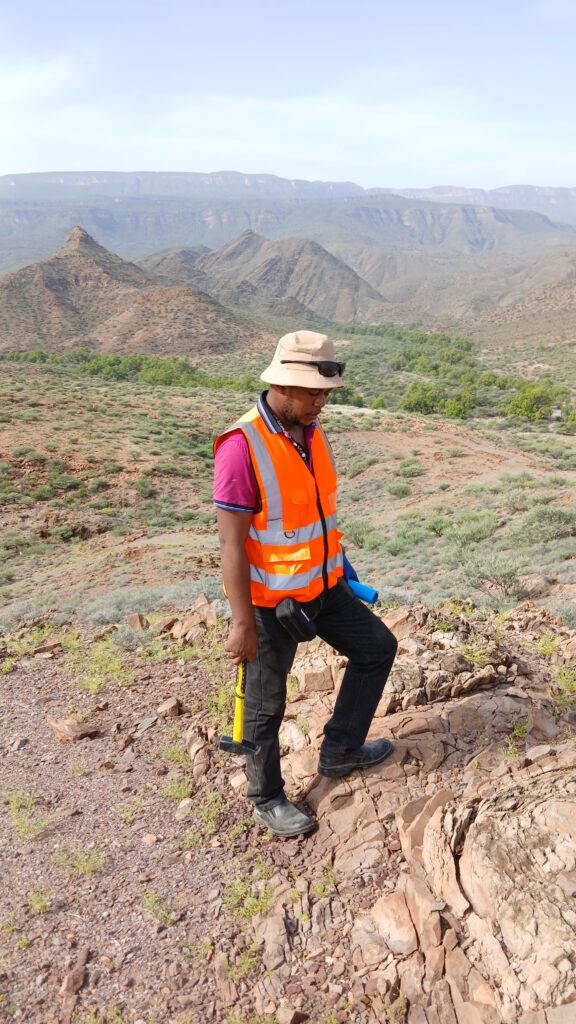
Geological mapping and sampling techniques.
-
Borehole logging and hydrogeological investigations.
-
Data interpretation and reporting.
These activities equipped the next generation of African geologists with practical skills and exposed them to international best practices.
Field Excursions and Practical Exposure
Participants also had the opportunity to visit notable geological sites in Kenya, including:
-
The Rift Valley escarpments for structural geology studies.
-
Olkaria geothermal fields for insights into energy geology.
-
Mineral exploration sites in Nakuru and Kitui counties.
These field excursions allowed delegates to apply theoretical knowledge in real-world settings and gain a deeper understanding of Africa’s diverse geological landscape.
Collaboration and Networking
One of the most valuable outcomes of the colloquium was the fostering of collaboration among African and international geologists. The event provided a platform for:
-
Joint research initiatives
-
Exchange of data and methodologies
-
Partnerships between universities, research institutions, and industry
Such collaborations are expected to strengthen the continent’s geological research capacity and accelerate the responsible development of natural resources.
Closing Remarks
The Africa Geology Colloquium concluded with a commitment to continued cooperation, research, and innovation. Delegates emphasized the importance of geological studies in addressing Africa’s resource, energy, and environmental challenges.
Kenya’s successful hosting of the colloquium reaffirmed its position as a leader in geological research and education in Africa. The event not only showcased the country’s natural geological wealth but also highlighted its capacity to convene high-level scientific forums that advance knowledge, collaboration, and sustainable development.
As Africa continues to explore and develop its vast geological resources, platforms like the Africa Geology Colloquium will remain critical in ensuring that development is scientifically informed, environmentally sustainable, and socially beneficial.