Skip to content

In July 2024, Kenya hosted one of the most important geothermal energy events in Africa — the Kenya Geothermal Congress 2024. The congress brought together scientists, engineers, policymakers, investors, and energy experts from across the world to discuss the future of geothermal energy and its role in sustainable economic development. Organized by the Geothermal Association of Kenya, the congress reinforced Kenya’s position as a continental leader in geothermal energy development.
Held at the Safari Park Hotel from 16th to 18th July 2024, with pre-conference training and field excursions extending through 21st July, the event provided a comprehensive platform for knowledge exchange, technological innovation, and investment opportunities within the geothermal sector.
Kenya’s Leadership in Geothermal Energy
Kenya has emerged as one of the global leaders in geothermal power generation. Located along the East African Rift Valley, the country possesses enormous geothermal potential due to its active tectonic and volcanic systems. Over the past decades, Kenya has developed a strong geothermal industry, positioning itself among the top geothermal producers in the world.
By 2024, Kenya had installed approximately 985 MW of geothermal power, making it the largest geothermal energy producer in Africa and among the top globally. This remarkable progress has significantly contributed to the country’s clean energy mix and reduced dependence on fossil fuels.
Major geothermal fields such as:
-
Olkaria Geothermal Field
-
Menengai Geothermal Field
-
Baringo-Silali Geothermal Project
continue to drive Kenya’s renewable energy transition.
The Kenya Geothermal Congress 2024 therefore served as a critical forum to evaluate these achievements while exploring new opportunities for geothermal expansion across Africa.
Theme of the Congress
The 2024 congress was held under the theme:
“Incentivizing Geothermal Energy for Kenya’s Industrial Development.”
This theme reflected the growing recognition that geothermal energy is not only a source of electricity but also a catalyst for industrialization, economic growth, and climate resilience.
Discussions during the congress emphasized how geothermal resources can support:
-
Sustainable electricity generation
-
Green industrial parks
-
Agricultural processing
-
Mineral extraction and processing
-
Direct heat applications in industry
By leveraging geothermal resources, Kenya aims to create a low-carbon industrial economy powered by renewable energy.
Key Participants and Stakeholders
The Kenya Geothermal Congress 2024 attracted a diverse range of participants from across the geothermal value chain. These included:
-
Government agencies
-
Energy companies
-
Research institutions
-
International development partners
-
Private investors
-
Geologists and geothermal engineers
Major industry players such as Kenya Electricity Generating Company (KenGen) and Geothermal Development Company (GDC) participated in technical sessions and discussions about geothermal exploration, drilling technologies, and power plant development.
The event also welcomed delegates from Europe, Asia, and other African countries interested in developing geothermal resources within the East African Rift System.
Such international participation highlighted Kenya’s growing reputation as a regional hub for geothermal expertise and training.
Technical Sessions and Knowledge Exchange
One of the central components of the congress was the technical conference, which featured presentations from leading experts in geothermal science and engineering.
The sessions addressed a wide range of topics, including:
1. Geothermal Exploration and Resource Assessment
Experts discussed advanced exploration methods used to identify geothermal reservoirs, including:
-
Geological mapping
-
Geochemical analysis
-
Geophysical surveys
-
Remote sensing technologies
These techniques help geologists determine subsurface temperatures, reservoir permeability, and geothermal potential.
2. Drilling Technology and Reservoir Engineering
Geothermal drilling is one of the most technically demanding aspects of geothermal development. Presentations focused on:
-
High-temperature drilling equipment
-
Well completion techniques
-
Reservoir modeling
-
Sustainable reservoir management
These discussions were particularly relevant for expanding geothermal projects across Africa.
3. Power Plant Technology
Engineers and industry experts shared insights on geothermal power plant design, including:
-
Flash steam power plants
-
Binary cycle plants
-
Hybrid geothermal systems
These technologies are essential for maximizing energy production from geothermal resources.
4. Environmental Sustainability
Environmental experts highlighted the importance of responsible geothermal development through:
-
Environmental impact assessments
-
Water management strategies
-
Land restoration programs
-
Community engagement
Geothermal energy is considered one of the most environmentally friendly renewable energy sources because it produces very low greenhouse gas emissions compared to fossil fuels.
Pre-Conference Training and Capacity Building
Before the main conference, a pre-conference training session held on 15th July 2024 provided an opportunity for students and professionals to enhance their knowledge of geothermal technologies and exploration techniques.
Training sessions focused on:
-
Geothermal resource assessment
-
Reservoir management
-
Drilling safety
-
Data interpretation
Such capacity-building initiatives are essential for developing the next generation of geothermal professionals in Africa.
Field Excursions to Geothermal Sites
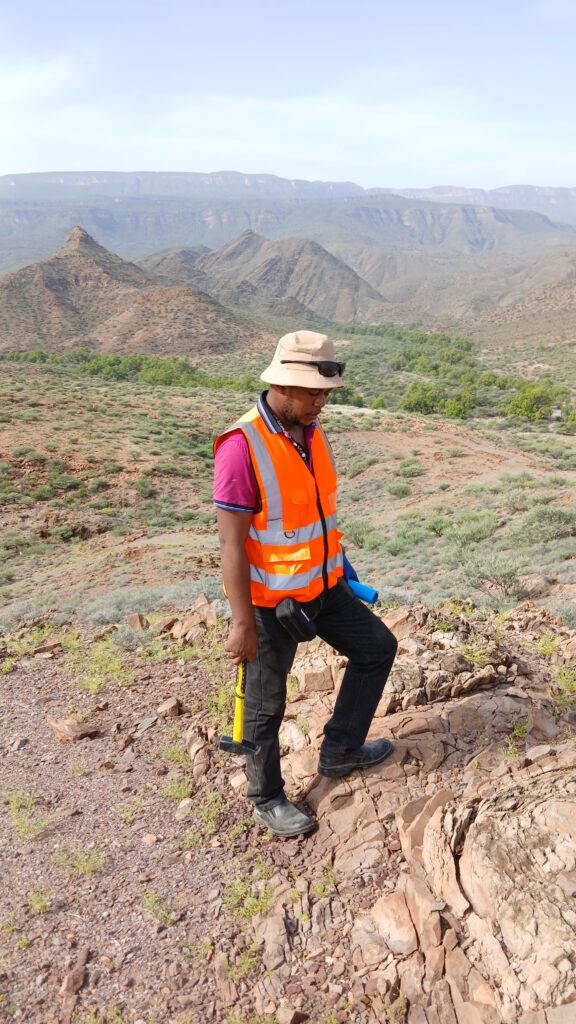
One of the most exciting aspects of the congress was the geothermal field trips, which took place from 19th to 21st July 2024. These excursions allowed participants to visit some of Kenya’s most significant geothermal sites.
Participants toured key geothermal projects including:
-
Olkaria Geothermal Field in Naivasha
-
Menengai Geothermal Field in Nakuru
-
Baringo-Silali Geothermal Area
During the visits, delegates observed geothermal wells, steam gathering systems, power plants, and drilling operations. These field experiences provided valuable insights into how geothermal energy is developed and utilized in real-world settings.
For many international participants, the field trips demonstrated Kenya’s impressive geothermal infrastructure and technical expertise.
Investment Opportunities in the Geothermal Sector
Another major focus of the congress was attracting investment into geothermal energy projects. Developing geothermal resources requires substantial capital, particularly during exploration and drilling phases.
The congress therefore provided a platform for:
-
Business-to-business networking
-
Investment matchmaking
-
Technology exhibitions
-
Policy discussions
By bringing together government officials, financial institutions, and private investors, the event aimed to accelerate geothermal investments not only in Kenya but across the African continent.
Strengthening International Collaboration
The congress also highlighted the importance of international partnerships in advancing geothermal development.
Collaborations between Kenyan institutions and global partners have played a key role in geothermal progress. For example, partnerships between the Geothermal Association of Kenya and international organizations have helped promote knowledge sharing, research collaboration, and technology transfer.
Such partnerships are essential for addressing challenges such as:
-
High exploration costs
-
Technical complexity of drilling
-
Infrastructure financing
-
Environmental management
Through global cooperation, Kenya continues to strengthen its geothermal capacity and expand its renewable energy portfolio.
Geothermal Energy and Kenya’s Climate Goals
Geothermal energy is a central pillar of Kenya’s climate strategy. The country has committed to reducing greenhouse gas emissions and transitioning to clean energy sources as part of its national climate commitments.
Unlike solar and wind energy, geothermal power provides reliable baseload electricity because it is not dependent on weather conditions. This makes geothermal energy a stable and dependable component of Kenya’s power system.
The Kenya Geothermal Congress therefore, emphasized the role of geothermal resources in achieving:
-
Energy security
-
Climate resilience
-
Sustainable economic development
Looking Ahead: The Future of Geothermal in Africa
The success of the Kenya Geothermal Congress 2024 demonstrated the growing importance of geothermal energy in Africa’s energy landscape. Countries along the East African Rift System — including Ethiopia, Djibouti, Tanzania, and Uganda — have significant geothermal potential that remains largely untapped.
Kenya’s experience in geothermal development provides a valuable model for these countries. By sharing expertise and promoting regional collaboration, Kenya is helping to unlock geothermal resources across the continent.
The congress also strengthened Kenya’s reputation as a global geothermal hub, capable of hosting major international energy conferences and leading discussions on renewable energy innovation.
Conclusion
The Kenya Geothermal Congress 2024 was a landmark event that showcased Kenya’s leadership in geothermal energy development and its commitment to a sustainable energy future. By bringing together experts, policymakers, investors, and researchers, the congress created a powerful platform for advancing geothermal technology, promoting investment, and strengthening international collaboration.
Through technical discussions, training programs, and field excursions, participants gained valuable insights into the opportunities and challenges of geothermal energy development. The event not only highlighted Kenya’s achievements but also reinforced the role of geothermal energy as a key driver of industrial growth, climate action, and energy security.
As geothermal projects continue to expand across the East African Rift, events like the Kenya Geothermal Congress will remain essential for fostering innovation, sharing knowledge, and building partnerships that support the transition to a clean and sustainable energy future.