Later this year, geothermal experts, scientists, policymakers, and energy stakeholders from across Africa and the world will gather in Moroni, Comoros for the 11th African Rift Geothermal Conference (ArGEO11). This highly anticipated event will serve as a major platform for knowledge exchange, collaboration, and strategic planning aimed at accelerating geothermal development across the African continent.
The African Rift Geothermal Conference series has become one of the most important forums dedicated to geothermal energy in Africa. With each edition, the conference brings together researchers, government institutions, private sector players, and development partners who share a common goal: unlocking the vast geothermal potential of the East African Rift System to support sustainable energy development.
ArGEO11 in Moroni represents another significant milestone in Africa’s journey toward clean, reliable, and sustainable geothermal energy.
The Importance of the ArGEO Conference Series
The African Rift Geothermal Conference (ArGEO) is organized to promote the development and utilization of geothermal resources in countries located along the East African Rift Valley. The region is considered one of the most promising geothermal provinces in the world due to its active tectonic and volcanic systems.
Countries within the rift system such as Kenya, Ethiopia, Djibouti, Tanzania, Uganda, Rwanda, Zambia, and Comoros possess substantial geothermal potential. However, many of these resources remain largely underexplored and underutilized.
The ArGEO conferences were established to address this gap by providing a platform where stakeholders can:
-
Share research findings
-
Discuss exploration technologies
-
Promote investment opportunities
-
Strengthen policy frameworks
-
Foster regional cooperation
Over the years, the ArGEO conference series has played a critical role in advancing geothermal development across Africa.
Why Moroni, Comoros?
Hosting ArGEO11 in Moroni, Comoros, highlights the growing interest in geothermal exploration in island nations and volcanic regions. The Comoros archipelago is located along the western Indian Ocean volcanic belt, making it geologically suitable for geothermal resource development.
The islands were formed through volcanic activity, and the presence of volcanic structures suggests potential geothermal reservoirs beneath the surface. Although geothermal development in Comoros is still at an early stage, the country has shown increasing interest in exploring renewable energy alternatives to reduce dependence on imported fossil fuels.
Hosting ArGEO11 provides Comoros with an opportunity to showcase its geothermal potential while learning from countries that have already made significant progress in geothermal development.
Theme and Focus of ArGEO11
The upcoming conference is expected to focus on promoting geothermal energy as a key solution for Africa’s growing energy demands and climate challenges.
Geothermal energy offers several advantages:
-
It provides baseload renewable power that is available 24 hours a day.
-
It produces very low greenhouse gas emissions.
-
It reduces reliance on imported fossil fuels.
-
It supports energy security and economic development.
As African economies continue to grow, the demand for electricity is rapidly increasing. Geothermal energy has the potential to become a major contributor to the continent’s sustainable energy mix.
ArGEO11 will therefore explore innovative ways to accelerate geothermal exploration, development, and investment across the region.
Key Topics and Technical Sessions
The conference will feature a wide range of technical presentations, panel discussions, and workshops addressing critical aspects of geothermal energy development.
1. Geothermal Exploration and Resource Assessment
Experts will present the latest techniques used in geothermal exploration, including:
-
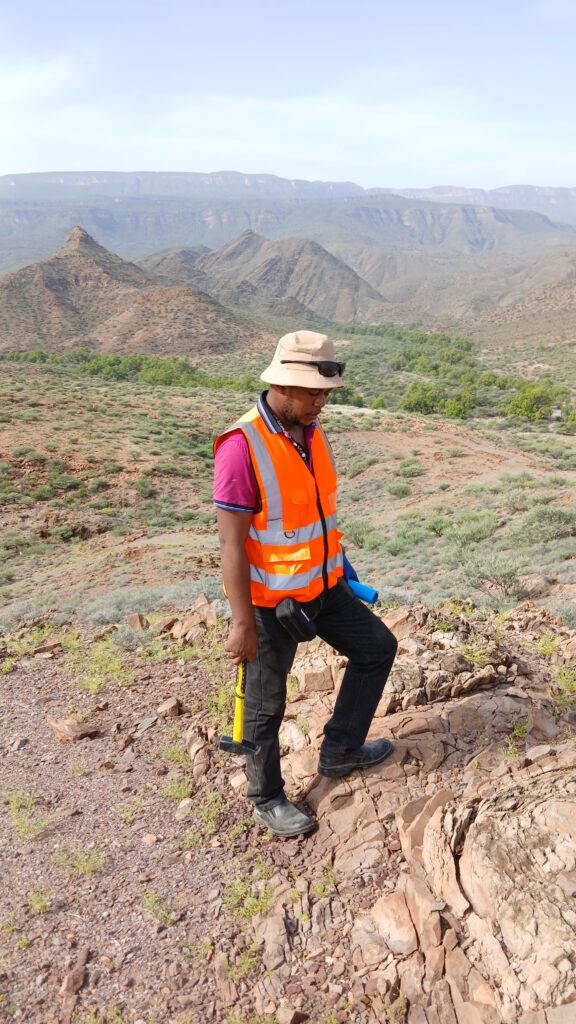
Geological mapping
-
Geochemical analysis
-
Geophysical surveys
-
Remote sensing technologies
These methods help identify geothermal reservoirs and evaluate their potential for electricity generation and direct heat applications.
2. Drilling and Reservoir Engineering
Geothermal drilling is one of the most technically challenging aspects of geothermal development. Sessions will focus on:
-
Advanced drilling technologies
-
Well design and completion
-
Reservoir modeling
-
Sustainable reservoir management
Sharing experiences from operational geothermal fields will help emerging geothermal countries learn from established projects.
3. Power Generation Technologies
The conference will also examine different technologies used to convert geothermal heat into electricity, including:
-
Flash steam power plants
-
Binary cycle power plants
-
Hybrid geothermal systems
These technologies enable efficient energy extraction from geothermal reservoirs with varying temperature ranges.
4. Environmental and Social Sustainability
Responsible geothermal development requires careful consideration of environmental and community impacts. Experts will discuss strategies for:
-
Environmental impact assessment
-
Water resource management
-
Land use planning
-
Community engagement and benefit sharing
These discussions will ensure that geothermal projects are developed in a socially responsible and environmentally sustainable manner.
Capacity Building and Knowledge Sharing
A major objective of ArGEO11 is to strengthen technical capacity within African geothermal institutions. The conference will provide training opportunities for:
-
Young scientists
-
Graduate students
-
Engineers
-
Government officials
Workshops and technical training sessions will cover topics such as geothermal data analysis, reservoir management, and exploration techniques.
These capacity-building initiatives are essential for developing local expertise needed to sustain geothermal projects across the continent.
Field Excursions and Site Visits
Geothermal conferences often include field excursions that allow participants to observe geothermal systems and exploration sites firsthand.
Although geothermal development in Comoros is still emerging, participants may have opportunities to visit volcanic landscapes and geothermal prospects on the islands. Such field experiences provide valuable insights into the geological setting and geothermal potential of the region.
Field excursions also allow participants to exchange practical knowledge about exploration methods, drilling operations, and environmental monitoring.
Investment and Partnership Opportunities
ArGEO11 will also serve as a platform for attracting investment into geothermal projects across Africa. Developing geothermal resources requires substantial capital investment, particularly during the exploration and drilling phases.
The conference will bring together:
-
Government representatives
-
Private sector investors
-
International development agencies
-
Financial institutions
Through networking sessions and investment forums, participants will explore opportunities for partnerships that can accelerate geothermal development in Africa.
Such collaborations are essential for overcoming the financial and technical barriers that often slow down geothermal projects.
The Role of Geothermal Energy in Africa’s Energy Future
Africa faces significant energy challenges, including limited electricity access in many regions and increasing demand driven by population growth and industrialization.
Geothermal energy presents a promising solution to these challenges. Unlike solar and wind energy, geothermal power is not dependent on weather conditions and can provide continuous electricity generation.
Countries such as Kenya and Ethiopia have already demonstrated the viability of geothermal power. Kenya, for example, has become Africa’s leading geothermal producer, generating a significant portion of its electricity from geothermal resources.
ArGEO11 aims to build on these successes and expand geothermal development throughout the continent.
Strengthening Regional Collaboration
One of the most valuable aspects of the ArGEO conference series is the opportunity it provides for regional collaboration. By bringing together experts from different countries, the conference encourages the sharing of knowledge, technologies, and experiences.
Such collaboration is particularly important in the East African Rift region, where many countries share similar geological environments and geothermal potential.
Through partnerships and cooperative research, African nations can accelerate geothermal exploration and reduce the risks associated with early-stage development.
Looking Ahead to ArGEO11
As the conference approaches, excitement continues to build among geothermal professionals and energy stakeholders across Africa and beyond. ArGEO11 promises to be an inspiring event that highlights the continent’s geothermal potential and the role of renewable energy in shaping Africa’s future.
Hosting the conference in Moroni also symbolizes the growing recognition that geothermal development opportunities exist not only in mainland rift countries but also in island volcanic regions.
The event will bring together the brightest minds in geothermal science and engineering to discuss innovative solutions for sustainable energy development.
Conclusion
The upcoming ArGEO11 conference in Moroni, Comoros represents a significant moment for geothermal development in Africa. By gathering experts, policymakers, investors, and researchers from across the globe, the conference will strengthen collaboration, promote innovation, and accelerate geothermal exploration throughout the continent.
As Africa seeks reliable and sustainable energy solutions, geothermal resources offer enormous potential for clean electricity generation, economic development, and climate resilience.
ArGEO11 will therefore play an important role in shaping the future of geothermal energy in Africa while inspiring new partnerships and initiatives that support the continent’s transition toward a sustainable energy future.