Skip to content

Property developers, farmers, county officials and investors often ask the same question at the start of a project: “Do I need a geologist or an engineer?” The honest answer is that it depends on the question you are trying to answer. Geologists and engineers are partners, not competitors, and many projects need both. This article explains what each profession does, where they overlap, and how to decide who to hire first.
The Core Difference in One Sentence
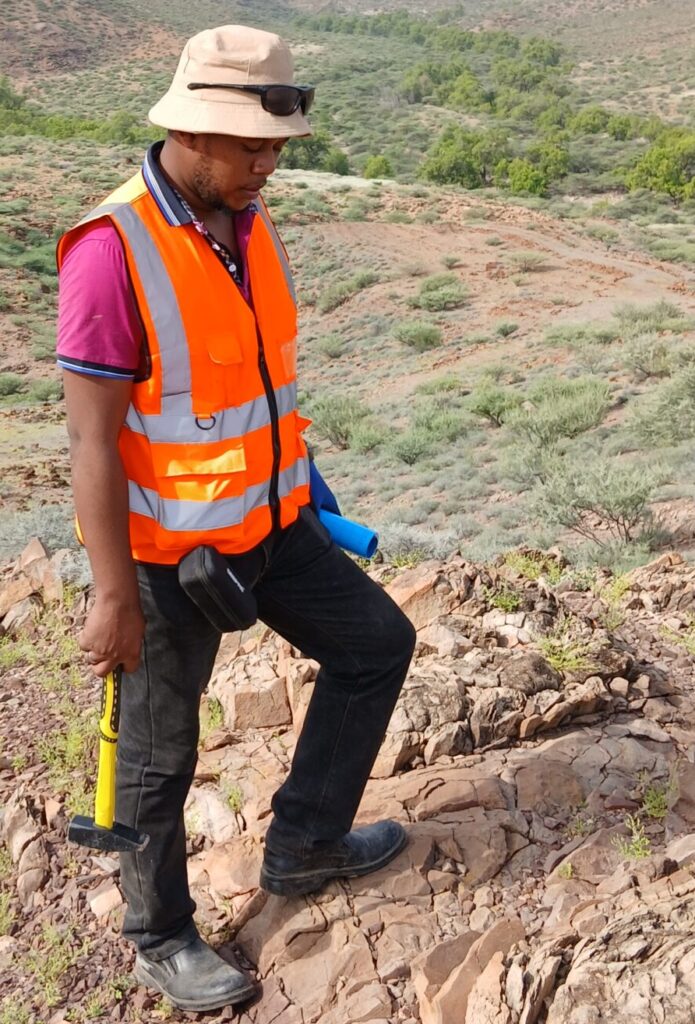
A geologist explains what the ground is, how it formed, what it contains and how it behaves over time. An engineer decides what to build, how to build it and how to make it safe, using that knowledge. Geologists characterise the earth. Engineers design and construct on it, in it or from it.
What a Geology Consultant Does
Geology consultants specialise in understanding earth materials and processes. Typical services include:
- Geological mapping and interpretation of rock types, structures such as faults and shear zones, and soil profiles.
- Mineral exploration and resource assessment, including target generation, sampling programmes and resource reporting.
- Hydrogeology, which is siting boreholes, assessing aquifers, estimating sustainable yield and interpreting water quality.
- Geohazard assessment, covering landslides, flooding, subsidence, sinkholes, volcanic and seismic hazards.
- Geophysical survey design and interpretation, such as resistivity or magnetics.
- Environmental geology, including contamination, waste characterisation and mine rehabilitation.
- Geothermal exploration, which means locating and characterising heat sources and reservoirs.
The deliverables are usually maps, cross-sections, interpretive reports, hazard zonation and recommendations about what the ground is likely to do.
What an Engineer Does
“Engineer” covers many disciplines, and the one you need depends on the project:
- Civil and structural engineers design buildings, roads, bridges, dams and drainage, and prepare drawings and specifications.
- Geotechnical engineers focus on soil and rock mechanics. They calculate bearing capacity, settlement and slope stability, and they design foundations, retaining walls and earthworks.
- Mining engineers plan and design mines, including pit slopes, underground layouts, blasting, ventilation and production schedules.
- Water and environmental engineers design water supply, pumping systems, treatment works and waste facilities.
- Drilling and petroleum engineers plan wells and extraction.
In Kenya, engineers are registered and regulated under their own professional framework through the Engineers Board of Kenya, which is separate from the Geologists Registration Board. Engineers sign designs and take legal responsibility for structural and safety performance.
The Bridge: Engineering Geologists and Geotechnical Specialists
Between the two professions sits the engineering geologist, who applies geological knowledge directly to construction problems, and the geotechnical engineer, who applies engineering mechanics to soil and rock. In practice their work overlaps heavily on site investigations. An engineering geologist may map the site, log boreholes and identify weak or variable ground. A geotechnical engineer may then use laboratory tests and calculations to turn that understanding into design parameters. On many projects they work as one team.
How to Decide: Match the Question to the Professional
| Your question | Start with |
|---|---|
| Where should I drill a borehole, and how much water can I expect? | Hydrogeologist |
| Is this land at risk of landslides, flooding or sinkholes? | Geologist or engineering geologist |
| What are the ground conditions for a multi-storey building? | Engineering geologist plus geotechnical engineer |
| What foundation type and size do I need? | Geotechnical or structural engineer |
| Is there gold or another mineral on my licence area? | Exploration geologist |
| How do I design a safe open pit or underground mine? | Mining engineer, using geological and geotechnical input |
| Is my quarry rehabilitation plan realistic? | Environmental geologist with mining or civil engineer |
| How do we design a pumping system once the borehole is drilled? | Water or mechanical engineer |
| What is causing cracks in my house? | Geotechnical engineer, with geology input if ground movement is suspected |
If your question starts with “what is down there?” or “what could happen?”, begin with a geologist. If it starts with “how do I build, extract or control this?”, begin with an engineer, but make sure geological data is available.
Why the Order Matters
Many costly problems arise from skipping the geological stage. Engineers can only design for the ground conditions they are given. If the site investigation is thin, a design may be sound on paper but fail on the ground, because the data missed a weak layer, a buried channel, a fault, or a karst void. Early geological input reduces uncertainty, and that lowers the cost of design, construction and later repair.
The opposite error also occurs. A geological report alone cannot tell you the size of a foundation or the wall thickness of a retaining structure. Design decisions need an engineer who is accountable for them.
Typical Project Sequences
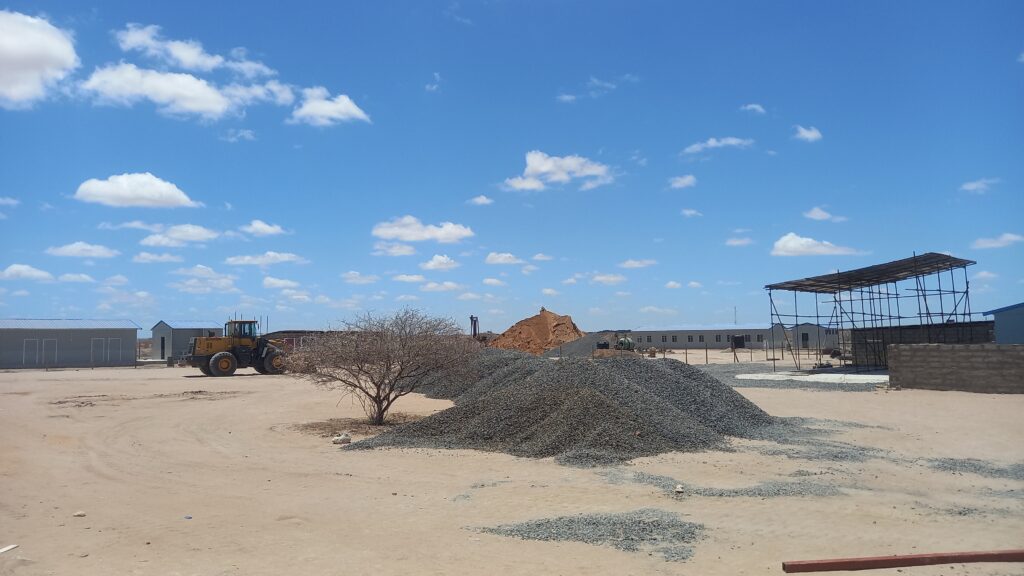
Residential or commercial development. A desk study and geological assessment first, then a geotechnical investigation with boreholes and tests, then foundation and structural design.
Borehole project. Hydrogeological desk study and geophysical survey, then drilling supervised by the hydrogeologist, then pumping tests and yield assessment, then pump and tank design by an engineer.
Mining project. Exploration geology and resource estimation, then geotechnical and hydrogeological studies, then mine design by mining engineers, then environmental assessment, closure planning and licensing.
Road or dam. Regional geological and hazard review, then route or site selection, then detailed geotechnical investigation, then design and construction supervision.
Cost Considerations
Geological and geotechnical investigation usually represents a small fraction of total project cost, often a low single-digit percentage for buildings, but it influences a large share of the risk. Cutting this stage to save money is a false economy, because ground-related defects are among the most expensive to correct after construction.
When budgeting, ask each professional to quote for a defined scope and to explain what is not included. Separate professionals can work from a common brief so that the geologist’s output feeds directly into the engineer’s design inputs.
Working Together Effectively
- Share the project brief and site plans with both from the start.
- Ask them to agree the investigation plan, such as borehole locations and testing, before fieldwork begins.
- Request that factual data (logs, test results) be separated from interpretation, so each party can verify the basis.
- Make sure responsibilities are clear: who signs what, who is accountable for which risk.
Common Mistakes
- Hiring an engineer for a ground investigation without any geological input, or the reverse.
- Assuming one professional covers every discipline.
- Using a neighbour’s borehole data as a substitute for a site-specific investigation.
- Letting construction begin before the ground investigation report is reviewed.
Key Takeaways
You rarely need to choose between a geologist and an engineer; you need the right one at the right stage. Use a geologist to understand the ground, hazards, water and resources, and an engineer to design and take responsibility for what is built or extracted. For anything involving foundations, slopes or excavations, expect both to contribute.
If you are unsure which to hire first, describe your project and your key question to a registered geologist. They can scope the geological work and advise when to bring in the engineering team.