Skip to content


Buying a mining licence, acquiring a stake in an exploration company, funding a project, or purchasing land with mineral or water potential all involve claims about the ground. Those claims may be accurate, optimistic, or simply wrong. Geological due diligence is the independent technical review that tests those claims before money changes hands.
What Is Geological Due Diligence?
Geological due diligence is a structured technical evaluation of a mineral, water, or land asset. It checks the quality of the data, the soundness of geological interpretation, the reliability of resource or reserve figures, the realism of development plans, and the technical and regulatory risks. The result is an independent opinion on what the asset is, what it is worth technically, and what could go wrong.
Who Needs It
- Investors and funds evaluating a stake in a project or company.
- Buyers and sellers of licences and properties who need an objective basis for price negotiation.
- Lenders and financiers requiring technical assurance before releasing funds.
- Joint-venture partners assessing the contribution of each party.
- Landowners and developers purchasing land where minerals, aggregates, or groundwater are material to value.
- Companies preparing for listing that need independent verification of technical disclosures.
What a Due Diligence Review Covers
Tenure and legal status (technical aspects). Licence type, area, expiry, work commitments, overlaps, and compliance with conditions. Legal counsel handles the legal opinion, but the geologist verifies that the tenure matches the area described in technical reports.
Geological setting and deposit model. Whether the interpretation is consistent with the regional geology and recognised deposit types.
Exploration data quality. Review of sampling methods, drilling practices, survey control, assay procedures, QA/QC, and database integrity. Weak data are one of the most common reasons projects fail to deliver.
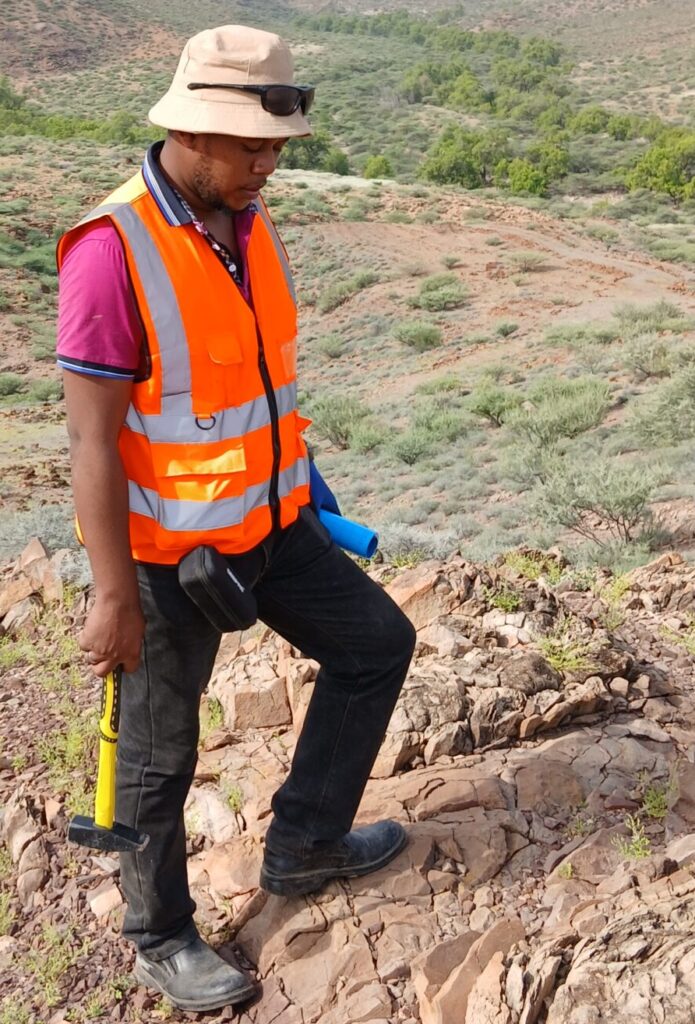
Site visit and verification. Inspection of outcrops, trenches, drill collars, core, and core storage. Independent sampling may be carried out to verify reported grades.
Resource and reserve estimates. Assessment of estimation methods, classification, cut-off grades, density, and reporting standard compliance. Reviewers check whether Inferred resources are being treated as if they were more certain.
Metallurgy and processing assumptions. Whether testwork is representative and supports the assumed recovery and product quality.
Mining and infrastructure assumptions. Practicality of the proposed mining method, access, water, power, and logistics.
Economic model. Reasonableness of costs, prices, taxes, royalties, and schedules, and sensitivity to key variables.
Environmental and social factors. Baseline studies, permits, community relations, artisanal mining presence, and closure obligations.
Management and track record. Technical competence of the project team and credibility of past claims.
Common Red Flags
- Resource estimates without a recognised reporting standard or a named Competent Person.
- Missing or incomplete QA/QC data.
- Grades that seem inconsistent with the geology or with verification samples.
- Sampling that is clustered in the best areas, creating biased results.
- No access to original assay certificates or drill core.
- Over-reliance on historic data of uncertain provenance.
- Unrealistic production timelines or capital cost estimates.
- Licence areas overlapping with protected land or other rights.
- Pressure to close quickly without allowing independent verification.
Water and Land Due Diligence
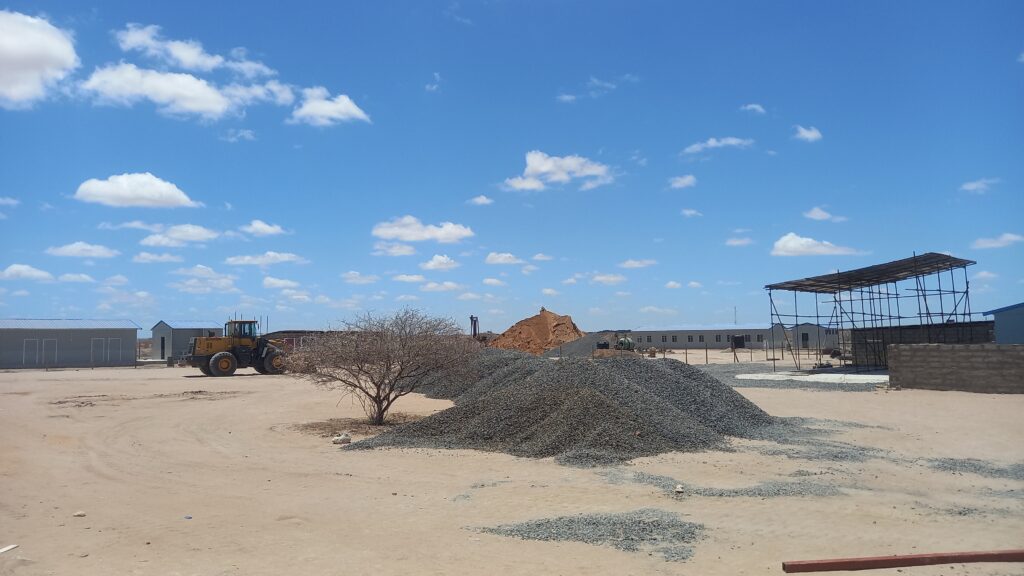
For land and property transactions, geological due diligence may include groundwater potential, existing borehole performance, water quality, flood and landslide hazards, soil conditions, and availability of construction materials. Buyers purchasing land for agriculture, estates, or industry can avoid costly surprises by checking these factors before purchase.
The Process
- Define scope and objectives with the client, including the intended decision and budget.
- Data room review, where reports, databases, maps, and certificates are examined.
- Site visit and independent verification sampling.
- Analysis and cross-checking of data, interpretations, and estimates.
- Risk assessment that ranks technical risks and quantifies, where possible, their impact.
- Reporting with findings, limitations, and recommendations, including suggested price adjustments, conditions precedent, or further work.
Benefits of Independent Review
- Protects capital by identifying problems before commitment.
- Strengthens negotiating position with documented evidence.
- Reduces the chance of litigation and disputes.
- Improves credibility with lenders and co-investors.
- Highlights upside, such as untested targets or overlooked resources.
Choosing a Reviewer
Select a firm with demonstrated experience in similar deposit types, relevant professional qualifications, no conflict of interest, and a track record of clear, balanced reporting. Independence is essential: the reviewer should not be paid based on whether the deal proceeds.
Conclusion
Geological due diligence replaces assumptions with verified evidence. For investors, buyers, and lenders in Kenya, it is a small cost relative to the capital at risk, and often the most valuable step in the transaction.
Innercore Geoconsultants Services Limited provides independent geological due diligence for mineral, water, and land projects across Kenya. Contact us for an objective technical review before you commit.