Skip to content

Climate change is no longer a distant environmental concern discussed only by scientists and policymakers. It has become a global reality that affects economies, ecosystems, public health, food security, and infrastructure. Around the world, rising temperatures are contributing to prolonged droughts, destructive floods, intense heatwaves, stronger storms, and changing rainfall patterns. These impacts threaten livelihoods, reduce agricultural productivity, damage biodiversity, and place significant pressure on governments and businesses alike. As populations continue to grow and energy demand increases, reducing greenhouse gas emissions has become one of the most urgent priorities of the twenty-first century. This is where decarbonization comes into focus as one of the most effective pathways toward achieving sustainable development while protecting the environment.
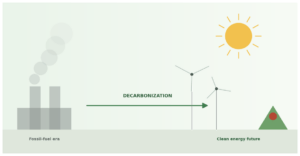
Decarbonization refers to the systematic reduction or elimination of carbon dioxide emissions from economic activities. It involves replacing fossil fuels with cleaner energy sources, improving energy efficiency, adopting innovative technologies, and changing the way societies produce, consume, and manage resources. The ultimate objective is to create economies that continue to grow while emitting significantly fewer greenhouse gases. Unlike isolated environmental initiatives, decarbonization affects nearly every sector, including electricity generation, transportation, manufacturing, agriculture, construction, and urban planning. It is a comprehensive transformation that requires governments, industries, financial institutions, researchers, and individuals to work together toward a common goal of reducing global carbon emissions.
The transition to a low-carbon economy is not simply about protecting nature. It also presents enormous economic opportunities. Investments in renewable energy, clean technologies, electric mobility, smart infrastructure, and sustainable industries are creating millions of new jobs while driving innovation and attracting private investment. Countries that successfully embrace decarbonization are positioning themselves to become leaders in future industries while improving energy security, reducing dependence on imported fossil fuels, and enhancing public health through cleaner air and water. Rather than slowing economic growth, well-planned decarbonization has the potential to stimulate long-term prosperity while making societies more resilient to climate-related risks.
Understanding Decarbonization
At its core, decarbonization means reducing the amount of carbon dioxide released into the atmosphere from human activities. Carbon dioxide is produced whenever fossil fuels such as coal, oil, or natural gas are burned to generate electricity, power vehicles, heat buildings, or manufacture products. Because these fuels have powered industrial development for more than two centuries, they have become deeply integrated into modern economies. However, their widespread use has also resulted in unprecedented levels of greenhouse gas emissions, making climate change one of humanity’s greatest challenges.
Decarbonization seeks to break this dependence on carbon-intensive energy systems by introducing cleaner alternatives. Renewable energy technologies, including solar, wind, geothermal, hydroelectric, and biomass, generate electricity with little or no direct carbon emissions. Electrification replaces fossil fuel-powered equipment with electric alternatives, while improvements in energy efficiency reduce overall energy consumption without sacrificing productivity or comfort. Emerging technologies such as green hydrogen and carbon capture provide additional solutions for sectors that remain difficult to decarbonize.
The concept extends beyond simply replacing one energy source with another. It requires redesigning entire systems to become more efficient, resilient, and sustainable. Cities must improve public transportation and develop smart infrastructure. Industries need cleaner manufacturing processes and circular economy practices that minimize waste and maximize resource efficiency. Farmers can adopt sustainable agricultural techniques that reduce emissions while improving soil health. Every sector contributes differently, but together these efforts create a comprehensive strategy for reducing carbon emissions across the global economy.
Why Decarbonization Matters
The importance of decarbonization cannot be overstated. Scientific evidence overwhelmingly demonstrates that rising greenhouse gas concentrations are warming the planet at an unprecedented rate. Increased global temperatures contribute to melting glaciers, rising sea levels, shifting weather patterns, and more frequent natural disasters. These environmental changes have far-reaching economic and social consequences, affecting food production, water availability, public health, and national security.
For businesses, climate change introduces financial risks through disrupted supply chains, damaged infrastructure, changing regulations, and shifting consumer preferences. Investors are increasingly evaluating companies based on environmental performance, encouraging organizations to reduce emissions and improve sustainability reporting. Businesses that fail to adapt may face higher operating costs, reduced competitiveness, and reputational challenges in an increasingly climate-conscious marketplace.
Decarbonization also delivers substantial public health benefits. Burning fossil fuels releases pollutants such as particulate matter, sulfur dioxide, and nitrogen oxides, which contribute to respiratory illnesses, cardiovascular disease, and premature deaths. Transitioning to cleaner energy improves air quality, reduces healthcare costs, and enhances overall quality of life. Communities benefit from quieter electric transportation, cleaner urban environments, and more sustainable development patterns that prioritize both environmental protection and human well-being.
From an economic perspective, investing in decarbonization stimulates innovation and creates employment opportunities across numerous industries. Renewable energy projects require engineers, technicians, construction workers, environmental specialists, software developers, and financial professionals. The transition toward cleaner technologies encourages entrepreneurship, supports research and development, and strengthens national competitiveness in rapidly expanding global markets.
Major Sources of Carbon Emissions
Achieving meaningful decarbonization requires understanding where emissions originate. Although every country has a unique emissions profile, several sectors consistently account for the majority of greenhouse gas emissions worldwide.
Electricity generation remains the largest contributor in many countries because coal and natural gas continue to supply a significant share of global power. Coal-fired power plants are particularly carbon-intensive, releasing substantial amounts of carbon dioxide during combustion. Replacing these facilities with renewable energy systems represents one of the fastest and most cost-effective methods of reducing emissions.
Transportation is another major source of carbon emissions. Passenger vehicles, freight trucks, buses, ships, and aircraft depend heavily on petroleum-based fuels. Growing urbanization and increasing global trade have expanded transportation demand, making this sector a priority for electrification, improved fuel efficiency, and sustainable fuel development.
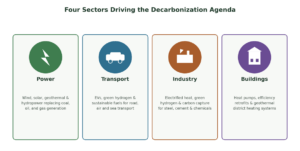
Industrial activities contribute considerable emissions through both energy consumption and manufacturing processes. Cement production releases carbon dioxide during chemical reactions involved in clinker production, while steel manufacturing traditionally relies on coal-fired blast furnaces. Chemical industries, mining operations, and petroleum refining also generate significant emissions that require specialized decarbonization solutions.
Agriculture and land use contribute greenhouse gases through livestock production, fertilizer application, rice cultivation, deforestation, and land degradation. Although agriculture differs from other sectors because methane and nitrous oxide play larger roles than carbon dioxide, sustainable farming practices remain essential for achieving comprehensive emissions reductions. Protecting forests and restoring degraded ecosystems further strengthen natural carbon sinks that remove carbon dioxide from the atmosphere.
Renewable Energy: The Foundation of Decarbonization
Renewable energy lies at the heart of nearly every decarbonization strategy. Unlike fossil fuels, renewable resources replenish naturally and generate electricity with minimal greenhouse gas emissions during operation. Over the past two decades, remarkable technological advances have dramatically reduced the cost of solar panels, wind turbines, battery storage systems, and smart grid technologies, making renewable electricity increasingly affordable and accessible across developed and developing countries alike.
Solar energy has become one of the fastest-growing electricity sources due to falling installation costs, improved photovoltaic efficiency, and supportive government policies. Wind energy has similarly expanded through larger, more efficient turbines capable of generating electricity at competitive prices. Hydroelectric power continues providing reliable renewable electricity in many regions, while geothermal energy offers stable baseload power by utilizing heat stored beneath the Earth’s surface. Biomass, when sustainably managed, also contributes to renewable energy production by converting organic materials into electricity, heat, or biofuels.
The integration of renewable energy requires modern electricity infrastructure capable of balancing variable power generation. Battery storage systems, pumped hydro storage, smart grids, and digital energy management platforms enable electricity networks to maintain reliability even as renewable energy penetration increases. As these supporting technologies continue advancing, renewable energy will play an even greater role in replacing carbon-intensive electricity generation and accelerating the global transition toward a sustainable low-carbon economy.
Energy Efficiency: The Fastest Path to Lower Emissions
While renewable energy often receives the greatest attention in discussions about decarbonization, energy efficiency is equally important. In many cases, the cleanest and most affordable unit of energy is the one that is never consumed. Improving energy efficiency enables households, businesses, and industries to reduce energy use without sacrificing productivity, comfort, or economic performance. It is often considered the “first fuel” because reducing energy demand lowers emissions immediately while decreasing the need for additional power generation capacity.
Modern buildings provide an excellent example of how efficiency contributes to decarbonization. Residential and commercial buildings consume large amounts of electricity for lighting, heating, cooling, ventilation, and appliances. Incorporating better insulation, energy-efficient windows, LED lighting, smart thermostats, and high-performance heating and cooling systems can reduce energy consumption by significant margins. Green building certification systems such as LEED and BREEAM encourage architects and developers to design structures that minimize environmental impact throughout their lifecycle.
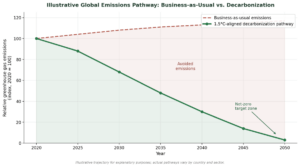
Industrial facilities also benefit substantially from efficiency improvements. Manufacturing plants increasingly utilize automation, digital monitoring systems, predictive maintenance, waste heat recovery technologies, and high-efficiency motors to optimize operations. These innovations reduce operating costs while lowering greenhouse gas emissions. Digital technologies such as artificial intelligence, machine learning, and the Industrial Internet of Things (IIoT) are transforming energy management by providing real-time data that helps organizations identify inefficiencies and optimize resource utilization.
At the household level, small behavioral changes collectively make a significant difference. Switching off unused appliances, choosing energy-efficient electronics, insulating homes, and reducing unnecessary energy consumption contribute to lower electricity demand. Although each action may appear modest, millions of households adopting efficient practices create measurable reductions in national energy consumption and carbon emissions.
Electrification: Transforming Energy Consumption
Electrification is another cornerstone of global decarbonization efforts. It involves replacing technologies powered by fossil fuels with electric alternatives that can operate using renewable electricity. As electricity grids become cleaner through increased renewable energy generation, electrification enables emissions reductions across sectors that have traditionally relied on coal, oil, and natural gas.
One of the most visible examples of electrification is the rapid growth of electric vehicles (EVs). Battery technology has improved significantly over the past decade, resulting in longer driving ranges, faster charging times, lower maintenance costs, and improved affordability. Electric vehicles produce zero tailpipe emissions and, when powered by renewable electricity, dramatically reduce overall greenhouse gas emissions compared to conventional internal combustion engine vehicles. Governments worldwide are supporting EV adoption through tax incentives, charging infrastructure investments, and stricter vehicle emission standards.
Electrification also extends to residential heating and cooking. Heat pumps are replacing fossil fuel-based boilers by efficiently transferring heat rather than generating it through combustion. Induction cooktops offer cleaner and more energy-efficient alternatives to gas stoves. Commercial buildings increasingly rely on electric heating, ventilation, and air-conditioning systems powered by renewable electricity, further reducing dependence on fossil fuels.
Industrial electrification is equally transformative. Electric boilers, induction furnaces, and electric process heating technologies are gradually replacing fossil fuel combustion in manufacturing. While certain heavy industries still require alternative solutions such as hydrogen or carbon capture, electrification remains one of the most effective strategies for reducing emissions wherever practical.
Decarbonizing Transportation
Transportation is responsible for a significant share of global greenhouse gas emissions because it depends heavily on petroleum-based fuels. Road transport, aviation, rail, and maritime shipping collectively account for billions of tonnes of carbon dioxide emissions every year. As populations grow and international trade expands, reducing transportation emissions has become a critical component of global decarbonization strategies.
The widespread adoption of electric vehicles represents one of the most significant developments in sustainable transportation. Passenger cars are increasingly transitioning from gasoline and diesel engines to battery-electric systems that operate efficiently while producing no direct emissions. Improvements in battery manufacturing, charging infrastructure, and renewable electricity generation continue making electric mobility more practical for consumers and businesses alike.
Public transportation also plays a crucial role. Expanding efficient bus networks, metro systems, commuter rail services, and light rail reduces reliance on private vehicles while lowering traffic congestion and urban air pollution. Cities that invest in cycling infrastructure, pedestrian-friendly streets, and integrated public transport systems encourage sustainable mobility while improving public health and urban quality of life.
Heavy-duty transportation presents additional challenges. Long-haul trucks, cargo ships, and aircraft require large amounts of energy that current battery technologies cannot always provide economically. Researchers and industries are therefore investing heavily in sustainable aviation fuels, green hydrogen, renewable ammonia, advanced biofuels, and synthetic fuels that offer lower carbon alternatives for these difficult-to-decarbonize sectors.
Digital technologies are further improving transportation efficiency. Intelligent traffic management systems, optimized logistics, autonomous vehicle technologies, and route planning software reduce unnecessary fuel consumption while improving overall transportation performance.
Industrial Decarbonization
Heavy industries are among the most difficult sectors to decarbonize because many manufacturing processes require extremely high temperatures and involve chemical reactions that inherently produce carbon dioxide. Industries such as steel, cement, chemicals, mining, and petroleum refining therefore require innovative solutions beyond conventional renewable electricity.
Steel production traditionally relies on blast furnaces that use coke, a carbon-rich fuel derived from coal, to extract iron from ore. Emerging technologies replace coke with green hydrogen, which produces water vapor instead of carbon dioxide during the reduction process. Electric arc furnaces powered by renewable electricity also increase the use of recycled steel, reducing both energy consumption and emissions.
Cement manufacturing presents another major challenge because carbon dioxide is released not only through fuel combustion but also during the chemical conversion of limestone into clinker. Researchers are developing alternative cement formulations, carbon-neutral construction materials, and manufacturing processes that significantly reduce emissions while maintaining structural performance.
The mining sector contributes to decarbonization in two important ways. Mining operations themselves consume considerable amounts of diesel fuel and electricity, creating opportunities for electrification, renewable energy integration, and improved operational efficiency. At the same time, mining supplies the critical minerals—including lithium, nickel, cobalt, copper, and rare earth elements—needed to manufacture batteries, wind turbines, solar panels, and electric vehicles. Sustainable mining practices therefore become essential for supporting the global clean energy transition.
The concept of the circular economy further strengthens industrial decarbonization. Rather than following the traditional “take, make, dispose” model, circular economy principles emphasize reducing waste, repairing products, reusing materials, and maximizing recycling. Recycling aluminum, steel, plastics, and glass generally requires much less energy than producing new materials from raw resources, thereby reducing both emissions and production costs.
Sustainable Agriculture and Natural Carbon Sinks
Agriculture is unique because it both contributes to climate change and offers opportunities to mitigate it. Farming generates greenhouse gas emissions through livestock digestion, fertilizer application, rice cultivation, machinery operation, and land-use change. At the same time, healthy ecosystems naturally remove carbon dioxide from the atmosphere through photosynthesis, making sustainable land management a powerful decarbonization strategy.
Modern sustainable agriculture seeks to increase productivity while minimizing environmental impacts. Precision agriculture utilizes satellite imagery, drones, GPS technology, soil sensors, and artificial intelligence to optimize irrigation, fertilizer application, and crop management. Farmers can reduce emissions while improving yields by applying resources only where and when they are needed.
Livestock management also offers opportunities for emissions reduction. Improved animal nutrition, better breeding practices, manure management systems, and methane capture technologies reduce greenhouse gas emissions while improving farm productivity. Biogas systems convert agricultural waste into renewable energy, providing additional environmental and economic benefits.
Forests represent some of the world’s most effective natural carbon sinks. Through photosynthesis, trees absorb carbon dioxide and store carbon in their trunks, branches, roots, and surrounding soils. Preventing deforestation, restoring degraded forests, and expanding afforestation and reforestation programs strengthen nature’s ability to remove atmospheric carbon while protecting biodiversity, water resources, and local livelihoods.
Healthy soils also play an essential role in carbon storage. Conservation agriculture practices—including reduced tillage, cover cropping, crop rotation, and organic soil management—improve soil fertility while increasing carbon sequestration. These practices simultaneously enhance agricultural resilience to droughts, floods, and changing climate conditions.
Carbon Capture, Utilization, and Storage (CCUS)
Even with rapid progress in renewable energy, electrification, and efficiency improvements, some industrial emissions will remain difficult to eliminate completely. This has led to increasing interest in Carbon Capture, Utilization, and Storage (CCUS) as a complementary decarbonization technology.
Carbon capture involves separating carbon dioxide from industrial exhaust gases before they enter the atmosphere. Once captured, the carbon dioxide can either be transported for permanent underground storage or utilized in various industrial applications. Suitable geological formations such as depleted oil and gas reservoirs and deep saline aquifers provide long-term storage options capable of securely containing captured carbon for thousands of years.
Carbon utilization transforms captured carbon dioxide into valuable products, including synthetic fuels, construction materials, chemicals, plastics, and carbonated beverages. Although utilization alone cannot absorb all global emissions, it creates economic value that supports broader carbon management strategies.
Direct Air Capture (DAC) represents another emerging technology capable of removing carbon dioxide directly from ambient air rather than industrial smokestacks. Although still relatively expensive, ongoing technological advancements are steadily improving efficiency while reducing costs. Many climate experts believe that carbon removal technologies will become increasingly important for achieving net-zero emissions, particularly in sectors where complete decarbonization remains technically challenging.
CCUS should not be viewed as a replacement for renewable energy or energy efficiency. Instead, it complements these strategies by addressing emissions that cannot yet be eliminated through other means. When combined with clean energy, electrification, sustainable agriculture, and industrial innovation, carbon capture becomes an important component of a comprehensive global decarbonization pathway.