Skip to content
Mineral resource assessment is a critical process in the mining industry, determining the economic viability of a mineral deposit. A successful assessment requires a systematic approach that integrates geological, geostatistical, and economic analyses to estimate the quantity, quality, and distribution of mineral resources.
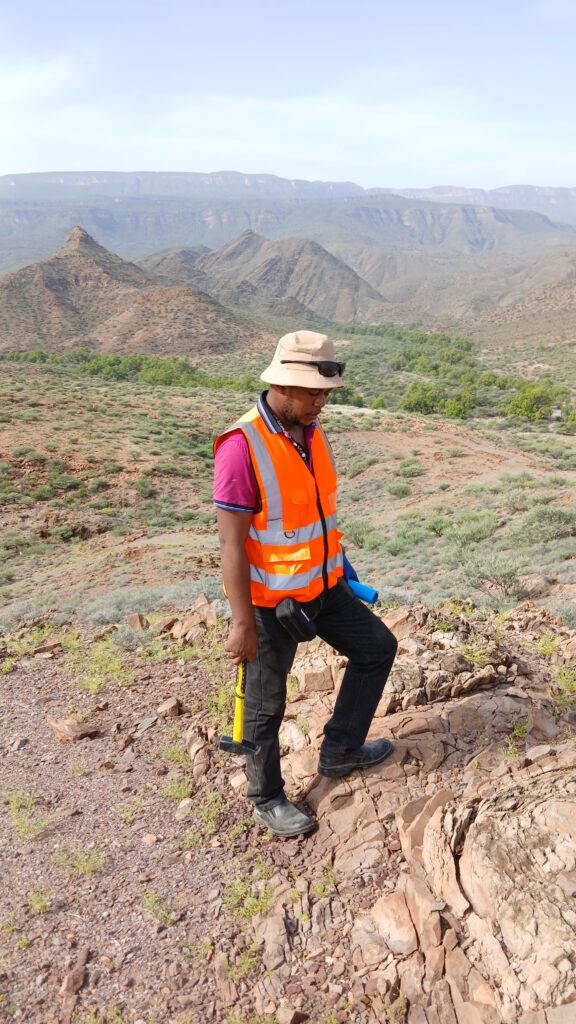
The process begins with data collection, which includes geological mapping, drilling, sampling, and laboratory analysis. High-quality data is essential for accurate resource estimation. Drilling programs must be carefully designed to ensure adequate coverage of the deposit, with appropriate spacing and orientation to capture geological variability.
Once data is collected, it is validated and compiled into a database. Data validation involves checking for errors, inconsistencies, and outliers that could affect the accuracy of the assessment. This step is crucial, as poor data quality can lead to incorrect resource estimates and financial losses.
Geological modeling follows, where the spatial distribution of lithology, structures, and mineralization is interpreted. This involves constructing 3D models that represent the geometry of the ore body. These models serve as the foundation for resource estimation and must accurately reflect the geological characteristics of the deposit.
Geostatistical analysis is then applied to estimate resource quantities. Techniques such as kriging are used to interpolate grades between sampled points, providing a continuous representation of the ore body. Variogram analysis helps quantify spatial variability, ensuring that estimates are statistically sound.
Resource classification is an important aspect of mineral resource assessment. Resources are categorized into measured, indicated, and inferred classes based on the level of confidence in the data. Measured resources have the highest confidence, while inferred resources carry greater uncertainty. This classification guides investment decisions and project planning.
Economic evaluation is integrated into the assessment to determine the feasibility of mining the resource. Factors such as commodity prices, extraction costs, processing methods, and market demand are considered. Cut-off grades are established to define economically viable portions of the deposit.
Environmental and social considerations are increasingly important in resource assessments. Evaluating potential impacts on ecosystems, water resources, and local communities ensures that projects align with sustainable development goals.
In summary, a successful mineral resource assessment requires a multidisciplinary approach, combining geological expertise, statistical analysis, and economic evaluation. Accurate assessments not only reduce financial risks but also support responsible resource development.