Skip to content
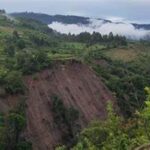
Landslides and mudslides have become common natural hazards in the Marakwet region of Kenya, particularly along the Elgeyo Escarpment. These disasters occur almost every rainy season, leaving behind destruction, loss of life, and displacement. Understanding why Marakwet is so vulnerable is crucial in developing sustainable solutions that protect communities now and in the future.

Photo: Courtesy of Standard Media
Understanding Landslides and Mudslides
What Are Landslides?
A landslide is the downward movement of soil, rocks, and debris along a slope. They occur when the stability of a slope weakens due to natural or human-related factors.
What Are Mudslides?
Mudslides, also called debris flows, are fast-moving landslides that carry large volumes of water-soaked soil and debris. They often move at high speed and cover large distances.
Key Differences
- Landslides can be slow or rapid; mudslides are almost always rapid.
- Mudslides contain water and fine sediments, making them flow like thick liquid.
- Landslides involve rocks, soil blocks, and dry debris.
Geography and Terrain of Marakwet

Photo: Courtesy of Standard Media
The Elgeyo Escarpment
Marakwet sits along a steep escarpment with rugged hills and valleys. This steep terrain naturally makes the area prone to slope failure.
Soil Composition
The soil in most parts of Marakwet is loose, volcanic, and easily saturated with water—one major reason it collapses during heavy rains.
Influence of Rivers and Rainfall
Seasonal rivers carve through the escarpment, making slopes weaker. Heavy rainfall from the long rains (March–May) and short rains (October–December) often triggers landslides.
Causes of Landslides and Mudslides in Marakwet
Heavy Rainfall and Climate Variability
Intense rainfall saturates the soil, reducing its strength. Climate change has led to unpredictable weather patterns, including extreme rainfall events that increase landslide occurrences.
Deforestation and Land Degradation
Over the years, tree cover in Marakwet has greatly reduced due to:
- Charcoal burning
- Farming
- Settlement expansion
Loss of trees means the soil lacks root support and becomes loose.
Steep Slopes and Soil Instability
The natural steepness of the area promotes gravity-driven movements. Once destabilized, slopes easily collapse.
Poor Farming Practices
Over-Cultivation
Farming too close to the escarpment edges loosens soil and makes it vulnerable.
Terracing Without Reinforcement
While terracing is useful, poorly constructed terraces can collapse and trigger landslides.
Infrastructure Development
Road construction, quarrying, and building houses on fragile slopes often disturb soil stability.
Historical Landslide Events in Marakwet
Several severe landslides have struck Marakwet, particularly in villages along the Kerio Valley and escarpment areas. Year after year, communities such as Moiben, Endo, and Sambirir have experienced devastating mudslides, resulting in deaths and significant loss of property.

Photo: Courtesy of Standard Media
Impacts of Landslides and Mudslides
Human Fatalities and Injuries
Many lives have been lost during unexpected nighttime mudslides. Survivors often suffer injuries due to fast-moving debris.
Loss of Property and Livestock
Houses, granaries, and livestock structures are often swept away in minutes.
Damage to Farms and Food Insecurity
Farms buried under mud lead to reduced harvests, increasing hunger and poverty in affected communities.
Destruction of Roads and Bridges
Essential roads connecting villages are destroyed, delaying emergency response and economic activities.
Social and Psychological Impacts
Trauma, fear, and long-term stigma affect families, especially those who lose loved ones.
Early Warning Signs
Communities can detect warning signs before a landslide occurs:
Cracks on the Ground
Wide or growing cracks indicate slope movement.
Tilting Trees and Structures
When trees or poles begin leaning downhill, it signals weakened soil stability.
Clogged Streams or Sudden Water Bursts
Blocked streams or sudden muddy flows show underground movement or pressure buildup.
Preparedness and Preventive Measures
Community Awareness
Residents must be educated about signs of danger and evacuation procedures.
Government Involvement
Authorities should install warning systems, conduct risk mapping, and enforce land-use regulations.
Engineering-Based Interventions
Reinforced Terracing
Use stones, gabions, and vegetation to stabilize terrace walls.
Retaining Walls
Concrete or stone walls can prevent soil from collapsing.
Proper Drainage Channels
Good drainage reduces water pressure in the soil.
Reforestation and Soil Conservation
Planting indigenous trees increases root stability and reduces erosion.
Role of Technology and Science
GIS and Risk Mapping
Geographical Information Systems help identify high-risk zones for planning.
Rainfall Monitoring
Meteorological systems can warn communities early about intense rainfall.
Emergency Response Technology
Drones, SMS alerts, and remote sensors help monitor real-time conditions.
Long-Term Sustainable Solutions
Sustainable Land-Use Planning
Avoid construction on steep slopes and enforce zoning laws.
Relocation of High-Risk Communities
Some areas are too unstable for settlement; relocation saves lives.
Community-Led Environmental Restoration
Involving locals in tree planting, water management, and soil conservation ensures long-term resilience.
Landslides and mudslides in Marakwet are not just natural disasters—they are socio-environmental challenges influenced by climate, geography, and human activities. With proper planning, awareness, technology, and sustainable land-use practices, it is possible to drastically reduce their impacts. Protecting Marakwet requires a combined effort from residents, government, scientists, and environmental organizations. The sooner preventive measures are implemented, the safer the future of the community becomes.
FAQs
- Why is Marakwet prone to landslides?
Because of its steep escarpment, loose volcanic soils, and intense rainfall. - When do most landslides occur in Marakwet?
Mainly during the long and short rainy seasons. - What human activities increase landslide risks?
Deforestation, poor farming practices, and construction on unstable slopes. - Can landslides be predicted?
Yes. Early warning signs and rainfall monitoring can signal increased risk. - What is the best long-term solution?
Sustainable land management, reforestation, and relocating high-risk communities.