Skip to content
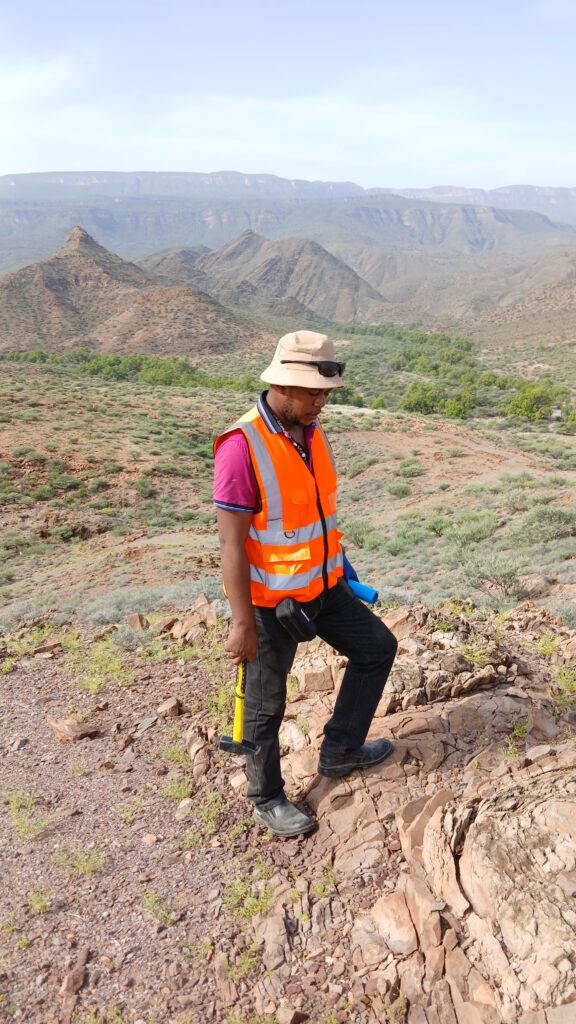
Africa holds some of the world’s most significant and least explored mineral potential. While the continent is already a major global source of key commodities, from copper in the Central African Copperbelt to gold across West Africa and platinum group metals in Southern Africa, vast areas remain comparatively underexplored using modern exploration techniques. For exploration companies, investors, and governments alike, understanding where this untapped potential lies, and what’s driving renewed exploration interest, offers valuable insight into the continent’s evolving role in global mineral supply chains.

Why Africa Remains Comparatively Underexplored
Despite hosting some of the world’s oldest and most mineral-rich geological terrains, significant portions of Africa have historically received far less systematic exploration investment than comparable geological settings in Australia, Canada, or parts of South America. This exploration gap stems from a combination of factors: historically limited infrastructure in remote regions, variable regulatory and political stability across different countries, and until relatively recently, less modern geological mapping and geophysical survey coverage compared to more heavily explored mining jurisdictions elsewhere.
This underexploration, however, is precisely what makes the continent so compelling to modern exploration companies. Areas with genuinely limited historical exploration using contemporary geophysical and geochemical techniques represent some of the best remaining opportunities globally for discovering genuinely new mineral deposits, rather than simply re-exploring already well-picked-over terrain.
The Central African Copperbelt: Still Yielding Discoveries
The Copperbelt spanning the Democratic Republic of Congo and Zambia remains one of the world’s most significant copper and cobalt provinces, and continues to yield major new discoveries even after more than a century of mining activity in the region. Ongoing exploration success here reflects both the sheer scale of the mineralized system and the application of increasingly sophisticated exploration techniques to areas previously considered fully explored using older methods.
Given the world’s growing demand for copper and cobalt, driven substantially by renewable energy infrastructure and battery technology, continued exploration investment in this region is likely to remain strong, with exploration increasingly extending into structurally complex or deeper target areas that were simply not economically accessible to earlier generations of mining technology.
West Africa’s Gold Potential
West Africa, spanning countries including Ghana, Mali, Burkina Faso, and Côte d’Ivoire, has emerged as one of the world’s most significant gold exploration and production regions over the past two decades. The Birimian greenstone belt system, which underlies much of this region, has proven remarkably productive, and exploration companies continue to identify new gold deposits along both well-established mineralized trends and less-explored extensions of these geological systems.
Political and security challenges in parts of the region have periodically constrained exploration activity, underscoring how geological potential alone doesn’t guarantee sustained exploration investment. Nonetheless, the underlying geological prospectivity of the region continues to attract exploration interest from companies willing to navigate these operational complexities.
East Africa’s Emerging Exploration Frontiers
While East Africa has historically been better known for geothermal energy potential than mineral exploration, the region hosts genuinely significant and comparatively underexplored mineral potential, spanning gold, rare earth elements, and various industrial minerals. Tanzania has a well-established gold mining sector, while emerging exploration interest in rare earth elements and other critical minerals across the wider region reflects growing global demand for materials essential to renewable energy and electronics manufacturing.
The East African Rift system itself, better known for its geothermal significance, also hosts mineralization associated with rift-related volcanic and hydrothermal processes, representing an area where exploration techniques honed in the geothermal sector, including geophysical and geochemical survey methods, increasingly find application in mineral exploration contexts as well.
Critical Minerals and the New Exploration Priorities
Global demand patterns are shifting exploration priorities in ways that particularly benefit certain African regions. The transition toward renewable energy and electric vehicle technology has dramatically increased demand for what are now commonly termed critical minerals, including lithium, cobalt, rare earth elements, and graphite, alongside more traditional demand for copper and nickel.
Africa hosts significant known and prospective resources of several of these critical minerals, and exploration investment specifically targeting these commodities has increased substantially in recent years. Zimbabwe and the Democratic Republic of Congo have seen growing lithium exploration and development activity, while several countries across the continent host graphite and rare earth element prospects that are attracting increasing exploration attention as global supply chains seek to diversify beyond traditionally dominant producing regions.
The Role of Modern Exploration Technology
Much of the renewed exploration interest across underexplored African regions has been enabled by advances in exploration technology that make it increasingly feasible to identify and evaluate prospective targets even in areas with limited existing geological data. High-resolution satellite and airborne geophysical surveys, including magnetic and radiometric data, allow exploration companies to identify promising geological structures and alteration patterns across large areas relatively quickly and cost-effectively compared to traditional ground-based survey methods alone.
Improved geochemical analytical techniques, capable of detecting extremely low concentrations of pathfinder elements associated with various deposit types, have also expanded the effectiveness of regional geochemical sampling programs in identifying areas warranting more detailed follow-up exploration.
Infrastructure and Investment Considerations
Geological prospectivity alone doesn’t determine where exploration investment actually flows. Infrastructure availability, including transportation access, power supply, and water resources, significantly affects the practical feasibility of both exploration activities and eventual mine development, meaning that some highly prospective but genuinely remote areas remain less actively explored than their geological potential alone might suggest.
Regulatory stability and clarity around mining and exploration licensing also weigh heavily on investment decisions. Countries that have invested in developing clear, internationally competitive mining codes and streamlined exploration licensing processes have generally seen stronger exploration investment than those with more uncertain or cumbersome regulatory environments, even where underlying geological potential is comparable.
What This Means for the Region’s Future
The combination of genuine geological prospectivity, growing global demand for critical minerals, and improving exploration technology suggests that Africa’s role in global mineral exploration and production is likely to continue expanding over the coming decades. For countries across the continent, including those in East Africa where mineral exploration has historically been overshadowed by geothermal and agricultural development priorities, this represents a genuine opportunity to diversify economic development beyond traditional sectors.
Realizing this potential, however, depends significantly on continued investment in geological mapping and baseline data collection, stable and internationally competitive regulatory frameworks, and the kind of experienced, regionally knowledgeable exploration and consulting expertise needed to translate genuine geological prospectivity into confirmed, economically viable discoveries. For exploration companies and investors willing to engage with this complexity, Africa’s comparatively underexplored terrain remains one of the more compelling frontiers left in global mineral exploration today.