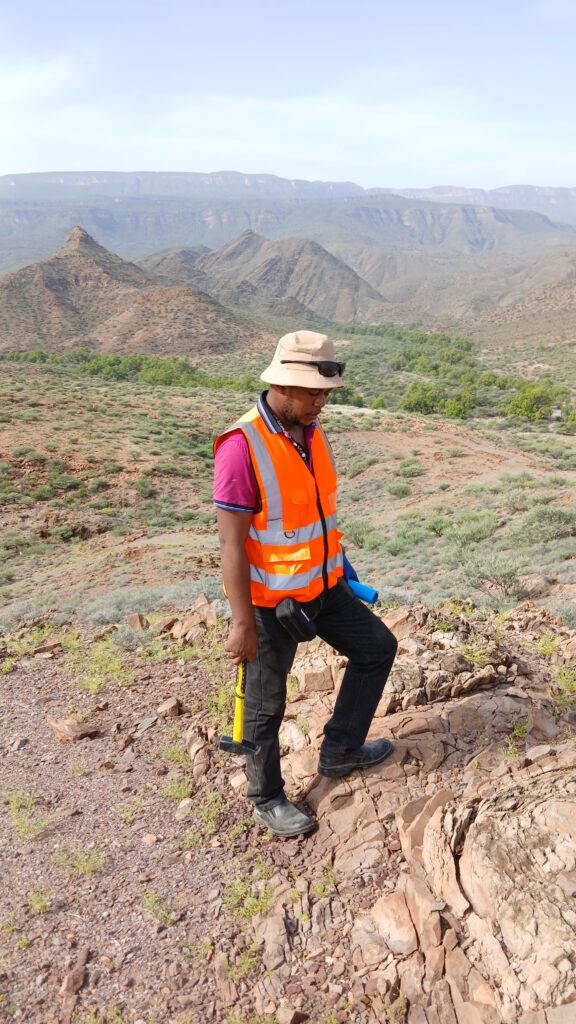

The 30th Colloquium of African Geology (CAG30), hosted in the vibrant city of Nairobi, brought together leading geoscientists, researchers, policymakers, and industry professionals from across the continent and beyond. Held at the prestigious Safari Park Hotel, the event served as a dynamic platform for discussing Africa’s evolving geological landscape and its role in shaping sustainable development.
Among the standout presentations at CAG30 was an insightful and forward-looking address by Geol Mbugua Githae, titled “New Horizons and Development of Geothermal Energy Across Africa.” His presentation et al Jesse Nyokabi [Kenya] and Fütsün Haklidir [Italy], captured the attention of delegates by exploring Africa’s untapped geothermal potential and outlining strategic pathways for accelerating development across the continent.
Setting the Context: Africa’s Energy Landscape
Geol Mbugua Githae began by framing geothermal energy within Africa’s broader energy transition agenda. With many African nations striving to expand electricity access while reducing reliance on fossil fuels, geothermal energy presents a reliable, renewable, and climate-resilient solution. Unlike solar and wind, geothermal provides stable baseload power, making it a cornerstone for industrial growth and energy security.
He highlighted the immense geothermal prospects along the East African Rift System, emphasizing that countries such as Kenya, Ethiopia, Djibouti, and Tanzania sit atop significant geothermal reservoirs. Kenya, in particular, was showcased as a continental leader in geothermal production, demonstrating how strategic investment and supportive policy frameworks can transform natural resources into national assets.
Geological Foundations and Resource Potential
The presentation delved into the geological controls of geothermal systems, focusing on tectonic settings, magmatic intrusions, hydrothermal circulation, and reservoir characteristics. Using detailed subsurface models and exploration data, Geol Mbugua Githae illustrated how integrated geoscientific approaches—combining geophysics, geochemistry, and structural geology—enhance exploration success rates.
He underscored the importance of:
1. Advanced geophysical surveys (magnetotellurics, resistivity, and seismic imaging)
2. Detailed hydrogeological modeling
3. Sustainable reservoir management practices
4. Environmental and social impact assessments
The audience particularly appreciated his emphasis on minimizing exploration risk through data-driven decision-making and multidisciplinary collaboration.
Innovation and Technological Advancements
A key highlight of the presentation was the discussion on emerging technologies shaping the future of geothermal energy in Africa. Geol Mbugua Githae examined innovations such as:
1. Enhanced Geothermal Systems (EGS)
2. Improved drilling technologies
3. Real-time reservoir monitoring systems
4. Digital subsurface modeling and AI-assisted exploration
He noted that while geothermal development remains capital-intensive, technological advancements are steadily reducing costs and improving drilling success rates. He also emphasized the importance of local capacity building—training African geoscientists, engineers, and technicians to lead projects across the continent.
Policy, Investment, and Regional Collaboration
Beyond geology and engineering, the presentation addressed the policy and financial frameworks required to unlock geothermal potential. Geol Mbugua Githae advocated for:
1. Strengthened public-private partnerships
2. Regional power pools to enhance cross-border energy trade
3. Risk mitigation mechanisms to attract international investors
4. Government incentives and streamlined licensing processes
He stressed that geothermal development must be aligned with Africa’s long-term development goals, including industrialization, job creation,
Socioeconomic and Environmental Impact
Another compelling segment of the presentation focused on the broader benefits of geothermal energy. Beyond electricity generation, geothermal resources can support:
1. Direct-use applications (greenhouses, aquaculture, drying facilities)
2. District heating and cooling systems
3. Agro-processing industries
Geol Mbugua Githae emphasized that geothermal energy development can transform rural economies, stimulate local industries, and contribute significantly to carbon emission reduction targets.
Audience Engagement and Closing Reflections
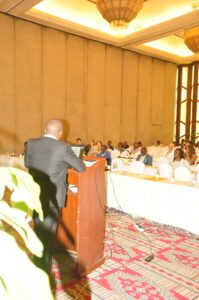
The presentation concluded with a lively question-and-answer session, where delegates discussed exploration challenges, financing models, and the future of geothermal integration into national grids. Participants commended Geol Mbugua Githae for delivering a technically rich yet practically grounded presentation that balanced scientific depth with policy insight.
In his closing remarks, he encouraged African nations to view geothermal energy not merely as a power source but as a strategic development tool capable of reshaping the continent’s economic trajectory.
Conclusion
Geol Mbugua Githae’s presentation at the 30th Colloquium of African Geology (CAG30) stood out as a visionary contribution to discussions on Africa’s sustainable energy future. By combining geological expertise, technological awareness, and policy insight, he painted a compelling picture of geothermal energy as a transformative force across the continent.
As Africa continues to pursue energy independence and sustainable growth, the themes highlighted in “New Horizons and Development of Geothermal Energy Across Africa” resonate strongly with the continent’s ambitions—positioning geothermal energy as one of Africa’s most promising renewable frontiers.